
Anyone who's tried to build or renovate property in Nashik knows the drill. You've got your plot, your vision, maybe even your architect lined up. Then comes the paperwork mountain—the building permit documentation that can make or break your project timeline. Get it wrong, and you're looking at months of delays and countless trips to the Nashik Municipal Corporation office on Sharanpur Road.
The truth is, building permit documentation isn't just bureaucratic red tape. It's the legal backbone that protects your investment, ensures your structure meets safety standards, and keeps you out of trouble with local authorities. In a city growing as rapidly as Nashik, where new residential colonies are sprouting up in areas like Pathardi Phata and commercial projects are reshaping College Road, getting your documentation right from day one isn't optional—it's essential.

What Building Permit Documentation Actually Involves
Building permit documentation is the complete set of technical drawings, legal papers, and compliance certificates you need to get approval from the Nashik Municipal Corporation before starting construction. Think of it as your project's passport—without it, you're not going anywhere legally.
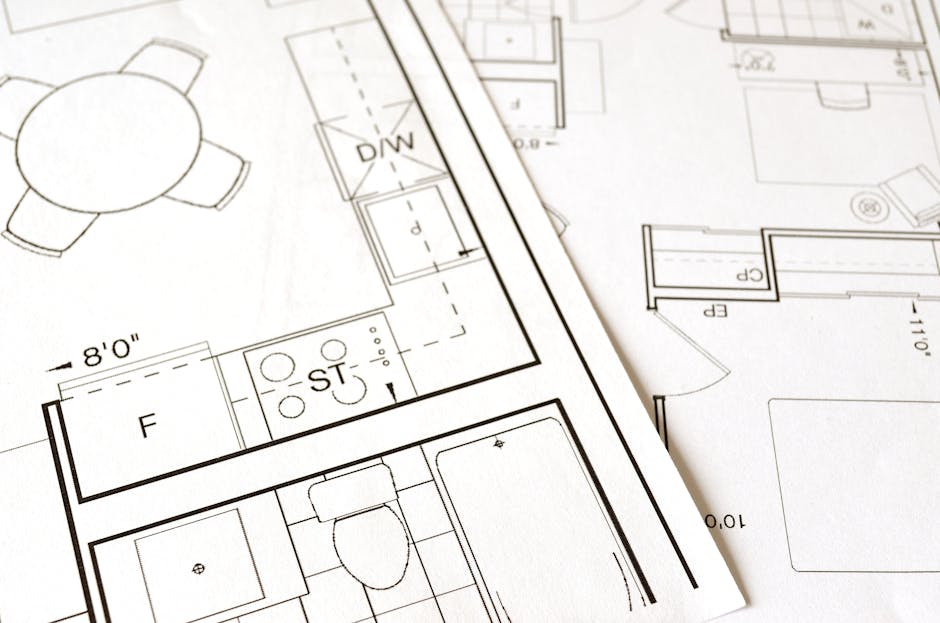
The package typically includes architectural drawings showing every floor plan, elevation, and section of your building. You'll need structural drawings that prove your building won't collapse during monsoon season—and trust me, Nashik's July-August downpours are no joke. Plumbing and electrical layouts come next, followed by site plans showing exactly where your building sits on the plot.
But here's where many people stumble. The documentation also requires a scrutiny fee calculation, occupancy certificates for existing structures if you're renovating, property documents proving ownership, and a completion certificate if you're adding floors to an existing building. For commercial projects, you'll need additional fire safety approvals and parking calculations based on the built-up area.
The National Building Code of India sets the baseline standards, but Nashik has its own local development control regulations that you absolutely must follow. Floor Space Index (FSI) rules differ between residential and commercial zones, and what's allowed in Cidco Nashik might not fly in the older parts of town near Panchavati.
Why Proper Documentation Saves You Money and Headaches
I've seen property owners try to cut corners on documentation. It never ends well. One developer in Adgaon tried to proceed with incomplete electrical drawings last year. The result? Work stoppage, penalty fees of around ₹75,000, and a three-month delay that cost him far more in contractor demurrage charges.
Proper building permit documentation protects you legally. If there's ever a dispute with neighbors, civic authorities, or future buyers, your approved plans are your defense. They prove you built exactly what you were permitted to build, following every regulation.
The financial benefits are real too. Banks won't release construction loans without approved building permits. Insurance companies look at your documentation when calculating premiums. And when you eventually sell, buyers pay premium prices for properties with clean, complete documentation. A property with proper permits in areas like Gangapur Road or Indira Nagar can command 15-20% higher prices than similar properties with documentation issues.
Then there's peace of mind. Nashik Municipal Corporation has become stricter about unauthorized construction. The demolition notices aren't just threats anymore—they're happening. Why risk your entire investment over incomplete paperwork?
What to Expect During the Documentation Process
Let's walk through the reality of getting your building permit documentation approved in Nashik. First, your architect prepares the complete set of drawings and documents. This typically takes 2-3 weeks for a residential project and 4-6 weeks for commercial buildings, depending on complexity.
Once ready, the application goes to NMC's Town Planning Department. You'll pay scrutiny fees based on your project's built-up area—expect around ₹5,000-₹8,000 for a typical 1,500 sq ft residential building. Larger projects naturally cost more, with commercial buildings in the ₹25,000-₹50,000 range for scrutiny fees alone.
The scrutiny process is where patience comes in. NMC officials review your plans to check compliance with development control rules, FSI calculations, setbacks, parking requirements, and building height restrictions. This can take 30-45 days if everything's perfect. More realistically? Plan for 60-90 days, especially during peak construction season from October to February.
Don't be surprised if you get objections—questions or required corrections from the planning department. This is normal. Maybe your staircase width is 5 cm short of requirements. Perhaps your parking calculation needs revision. Your architect will handle these revisions and resubmit. Each round of revisions adds 2-3 weeks to the timeline.
After approval, you'll receive your building permit—a formal document that must be displayed at your construction site. Most architects recommend laminating it and keeping it protected from Nashik's dust and rain. You'll also get stamped copies of all approved drawings. Keep these safe. You'll need them for the completion certificate later.
For those working on apartment complex designs, the documentation becomes significantly more complex, involving additional approvals for common areas, fire safety systems, and parking calculations based on the number of units.
Choosing the Right Professional for Building Permit Documentation in Nashik
You need an architect. Full stop. While Nashik has plenty of draftsmen and plan-makers who'll promise cheaper services, only licensed architects can legally sign and submit building permit documentation to NMC. The architectural council registration isn't just decoration—it's mandatory.
Look for architects with established Nashik practices. Someone who knows the local planning officers, understands NMC's specific requirements, and has successfully navigated multiple approvals. An architect who primarily works in Pune or Mumbai won't know the nuances of Nashik's regulations.
Ask to see their recent approvals. A good architect should readily show you examples of permits they've obtained in the last year. Pay attention to the project types—if you're building a warehouse in Satpur MIDC, you want someone experienced with industrial documentation, not just residential work.
Fee structures vary. Most Nashik architects charge ₹15-₹25 per square foot for complete architectural services including permit documentation for residential projects. Commercial projects typically run ₹25-₹40 per square foot. Some architects offer documentation-only services at lower rates, around ₹8-₹12 per square foot, if you're not hiring them for design work.
Communication matters enormously. Your architect should explain what documents are needed, why certain design changes are required for compliance, and keep you updated on approval status. The best ones will visit the planning office personally rather than sending junior staff for critical submissions.
If your project involves specialized visualization needs, some architects also offer 3D architectural visualization services that can help you better understand the final outcome before construction begins.

Common Documentation Pitfalls to Avoid
The biggest mistake? Starting construction before permit approval. I know it's tempting. Your contractor's ready, the foundation excavator is available, and you figure the approval will come through eventually. Don't do it. NMC can issue stop-work notices, and restarting after violations is infinitely harder than waiting for proper approval.
Another common error is submitting incomplete property documents. Your sale deed, property card, 7/12 extract, and NOC from previous owners (if applicable) must all be current and match perfectly. Any discrepancy means rejection and resubmission.
Many people underestimate setback requirements. Nashik's rules are strict about how close you can build to property boundaries. Front setbacks, rear setbacks, and side margins vary by plot size and zone. Your neighbor's wall sitting right on the boundary doesn't mean you can do the same—regulations have tightened over the years.
FSI violations are another frequent problem. Floor Space Index determines how much total area you can build on your plot. Trying to squeeze extra area by miscalculating balconies, staircases, or lofts gets caught during scrutiny. The penalties and required demolition aren't worth the extra square footage.
Finally, don't ignore the completion certificate requirement. Many Nashik residents get their building permit, construct the property, and never bother obtaining the completion certificate. This causes massive problems during property sales, home loans, or when applying for water and electricity connections. The completion certificate essentially confirms you built according to approved plans.
Frequently Asked Questions About Building Permit Documentation in Nashik
How long does it take to get a building permit approved in Nashik?
The official timeline is 30-45 days from submission, but realistically expect 60-90 days for most projects. Complex commercial buildings or projects in congested areas can take longer. The timeline depends heavily on whether your documentation is complete and compliant on first submission. Applications with objections that require revisions can stretch to 4-5 months.
What is the cost of building permit documentation in Nashik?
Costs include architect fees (₹15-₹25 per sq ft for residential, ₹25-₹40 per sq ft for commercial projects), NMC scrutiny fees (₹5,000-₹50,000 depending on project size), and additional charges for structural engineer certification, soil testing reports if required, and surveyor fees for site plans. For a typical 1,500 sq ft house, budget around ₹35,000-₹50,000 total for documentation and permit approval.
Can I start construction while waiting for building permit approval?
Absolutely not. Starting construction before receiving your approved building permit is illegal and can result in stop-work notices, penalty fees, and even demolition orders from NMC. You need the physical permit document displayed at your construction site before any work begins. Banks also won't release construction loans without an approved permit.
Do I need separate approvals for renovation or adding floors to existing buildings?
Yes, any structural changes, additions, or renovations that affect the building's footprint or height require fresh building permit documentation. You'll need the original approved plans (if available) and a completion certificate for the existing structure. Even interior renovations that involve changes to plumbing or electrical systems may require permissions. Always consult with an architect before starting renovation work.
What happens if my building permit application gets rejected?
Rejections are rare if you're working with a competent architect—most issues come back as objections or required corrections rather than outright rejections. If rejected, you'll receive written reasons explaining which regulations your proposal violates. You can revise your plans to address these issues and resubmit. There's no limit on resubmissions, though each round takes additional time. In some cases, you might need to fundamentally redesign your project to meet zoning requirements.
Moving Forward with Your Building Project
Building permit documentation might seem overwhelming, but it's really about protecting your investment and ensuring your project goes smoothly. The time and money you invest upfront in proper documentation saves you exponentially more in avoided delays, penalties, and legal troubles down the road.
Nashik's real estate market is booming. New developments are transforming areas from Ambad to Ozar, and the city's infrastructure continues expanding. But this growth makes regulatory compliance more important than ever. The days of casual construction without proper permits are long gone.
Start your documentation process early—ideally before you even finalize your design. Work with a qualified, experienced architect who knows Nashik's specific requirements. Ask questions, understand what each document means, and stay involved in the process. Your building permit isn't just a piece of paper—it's the foundation of your legal right to construct.
And remember, good documentation doesn't end with permit approval. Keep all your approved drawings safe, maintain records of any approved modifications during construction, and complete the process by obtaining your completion certificate once building work finishes. That complete paper trail is what makes your property truly valuable and hassle-free for decades to come.