
You've finalized your architectural design, gotten everyone's nod of approval, and now you're ready to build. But here's where many property owners in Nashik hit an unexpected roadblock—the construction team shows up on site with just conceptual drawings and suddenly there are dozens of questions nobody can answer. Where exactly does that plumbing line run? What's the precise dimension of that window opening? How does the false ceiling connect to the structural beam?
This is where working drawings become absolutely critical. They're the detailed, technical blueprints that translate your architect's beautiful vision into something a mason, plumber, electrician, and carpenter can actually build. Without them, you're essentially asking contractors to guess—and trust me, that gets expensive fast.

What Exactly is Working Drawing Preparation?
Think of working drawings as the instruction manual for your building. While your initial architectural drawings show what the building will look like and how spaces flow together, working drawings get into the nitty-gritty technical details that construction crews need.
These drawings include everything from exact dimensions (down to the millimeter), material specifications, construction methodologies, structural details, plumbing layouts, electrical wiring plans, and how different building systems integrate with each other. In Nashik's construction landscape, where we deal with everything from traditional wada-style homes to modern glass-facade commercial buildings, the complexity can vary dramatically.
A complete set of working drawings typically includes architectural details, structural plans (often coordinated with structural drawing services), MEP (mechanical, electrical, and plumbing) layouts, door and window schedules, finish schedules, and site-specific details. For projects requiring government approvals, these also need to align with municipal approval drawings you've already submitted to NMC.
The level of detail is intense. We're talking about sections that show exactly how your bathroom waterproofing layers stack up, or how the sunshade on your south-facing windows (crucial in Nashik's hot summers) connects to the main wall structure.
Why Working Drawings Matter More Than You Think
Let me be blunt: skipping proper working drawings or using substandard ones will cost you more money and cause more headaches than you can imagine. I've seen too many projects in Nashik's Adgaon, Pathardi Phata, and even upscale areas like College Road where construction has stopped midway because something wasn't detailed properly.
First, working drawings minimize errors during construction. When your contractor knows exactly what needs to happen, there's less room for costly mistakes. That wall demolition that shouldn't have happened? Could have been avoided with clear structural markings. Those electrical points that ended up in the wrong places? A detailed electrical layout would have prevented that.
Second, they help you get accurate cost estimates. Contractors can quote more precisely when they see detailed specifications. This is particularly important in Nashik where material costs can vary significantly—whether you're sourcing from Satpur industrial area or getting materials from Pune suppliers.
Third, working drawings ensure coordination between different trades. Your electrician needs to know where the plumber's pipes run. Your false ceiling contractor needs to understand the structural beam layout. Good working drawings show all these systems together, preventing the classic problem where the AC duct clashes with a beam—something I see happen far too often in residential house projects across the city.
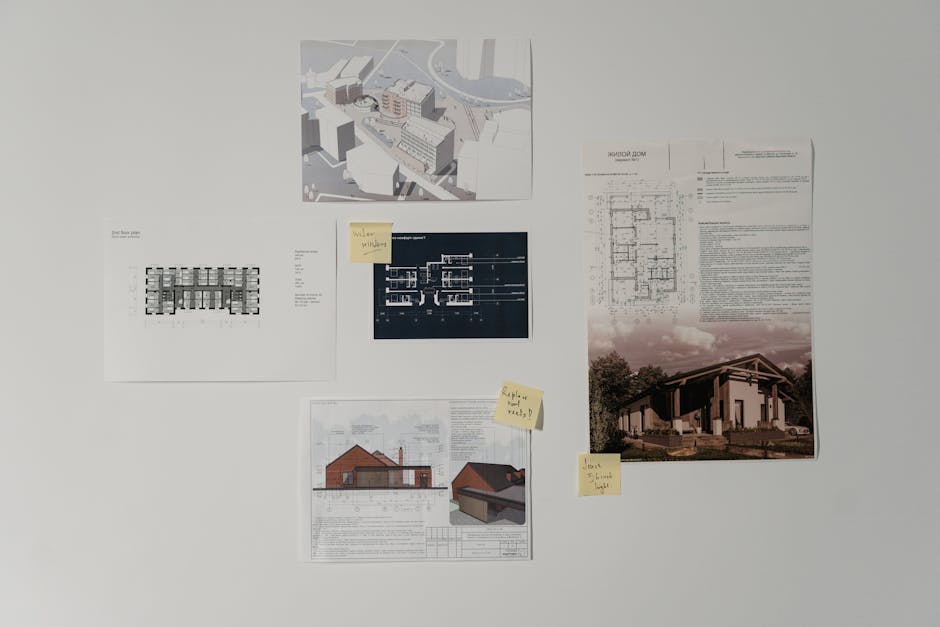
Fourth, they protect you legally. When disputes arise—and they sometimes do—detailed working drawings serve as your reference document. They clearly show what was intended and what should have been built.
Finally, working drawings speed up construction. Contractors don't need to keep calling you or the architect for clarifications. They have everything they need on paper, which means work progresses smoothly. In Nashik's climate, where monsoons can already delay construction by months, you don't want additional delays from poor documentation.
What Should You Expect in a Complete Set?
A proper working drawing set isn't just a few sheets of paper. For a typical 1500 sq ft residential project in Nashik, you're looking at anywhere from 25 to 40 detailed sheets. Larger commercial projects can easily exceed 100 sheets.
The architectural working drawings include detailed floor plans with all dimensions, reflected ceiling plans showing false ceiling layouts and heights, wall sections showing material layers and finishes, door and window details with frame specifications, staircase details with riser-tread dimensions, toilet layouts with fixture positions, kitchen layouts with counter heights and appliance locations, and elevation details showing external finishes.
Structural working drawings cover foundation layouts, column and beam schedules, slab reinforcement details, lintel and chajja details, staircase structural details, and expansion joint locations. These are critical in Nashik where we have varying soil conditions—areas near the Godavari have different foundation requirements compared to the hillier eastern parts of the city.
Plumbing working drawings show water supply line layouts, drainage and sewage line layouts, underground tank and overhead tank details, bathroom riser diagrams, rainwater harvesting details (increasingly required by NMC), and soil waste and vent pipe arrangements.
Electrical working drawings detail lighting layouts for each room, power outlet locations and heights, fan and AC provisions, main distribution board locations, earthing and safety systems, external lighting and garden power points, and data and telephone line provisions.
Don't forget HVAC drawings if you're installing central air conditioning—common in newer commercial projects and upscale homes. And for landscaped properties, detailed site plans showing levels, drainage patterns, and landscape architecture elements are essential.
Finding the Right Architect for Working Drawing Preparation in Nashik
Not all architects in Nashik provide the same quality of working drawings. Some excel at design but rush through the technical documentation. You want someone who takes both seriously.
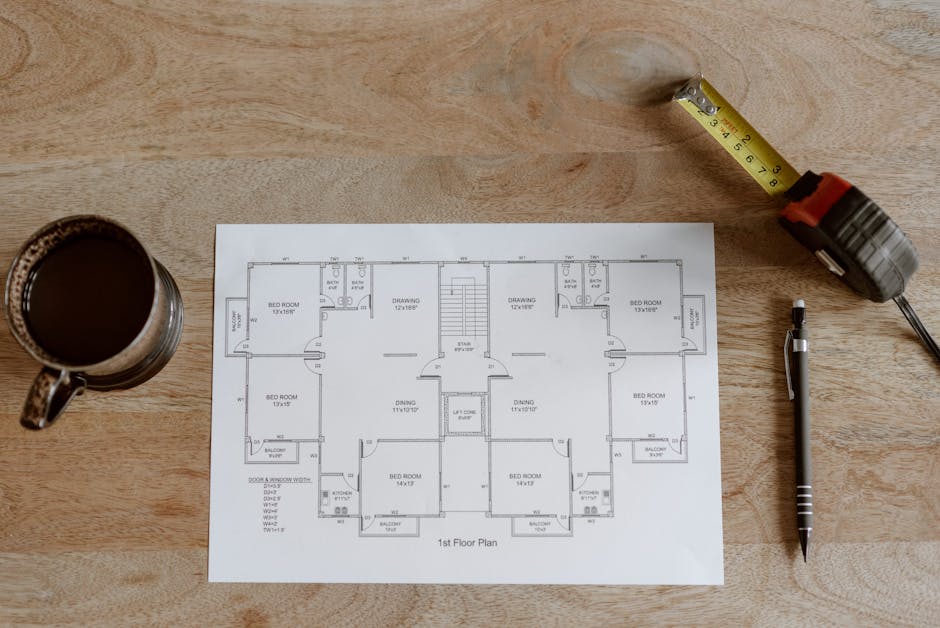
Start by asking about their CAD software and documentation standards. Professional firms use AutoCAD or Revit and follow standard drawing conventions. The Council of Architecture guidelines provide frameworks that good architects should be familiar with.
Look at their previous projects. Ask to see sample working drawings—not just pretty 3D renders, but actual construction documents. Can you understand them? Are they detailed? Do they include notes and specifications?
Check if they coordinate with structural and MEP consultants. Most architects in Nashik outsource structural calculations to specialized engineers, which is perfectly fine—but there needs to be tight coordination. The architectural and structural drawings must align perfectly.
Experience with local construction practices matters. An architect who knows how Nashik's contractors work, what materials are locally available, and what NMC's requirements are will produce more practical drawings. Someone who primarily works in Mumbai might create drawings that look great but specify materials or methods that aren't feasible here.
Discuss their revision policy. Construction is dynamic. You'll likely need minor modifications during construction. Do they provide a certain number of revisions? What's the cost for additional changes?
Also consider their on-site support. The best working drawings in the world still need occasional interpretation. Will they visit your site during construction? Are they available for contractor queries?
What About Costs?
Working drawing preparation in Nashik typically costs between ₹15 to ₹40 per square foot of built-up area, depending on project complexity. A straightforward residential project might be at the lower end, while a commercial building or complex renovation would be higher.
For a typical 2000 sq ft home, expect to pay between ₹30,000 to ₹80,000 for a complete set of working drawings. This usually includes architectural, structural, plumbing, and electrical drawings. Some architects bundle working drawings with their overall architectural fees, while others charge separately.
Commercial projects are generally quoted differently—often as a percentage of the project cost or a lump sum based on project scope. A small retail showroom might cost ₹1,00,000 to ₹2,00,000 for complete working drawings, while larger projects scale accordingly.
Yes, these numbers seem like a lot when you're already spending on construction. But consider this: a single major error during construction—like having to break and redo a wall because of incorrect dimensions—can easily cost ₹50,000 or more. Good working drawings are insurance against such expensive mistakes.
Be wary of architects who quote unusually low rates. Preparing thorough working drawings takes time and expertise. If someone's charging ₹8 per square foot, they're either cutting corners or they're inexperienced and undervaluing their work. Neither scenario works in your favor.
The Working Drawing Process: What Happens Behind the Scenes
Once you've approved the final design drawings, your architect begins the working drawing phase. This typically takes four to eight weeks, depending on project complexity and how quickly you make decisions on specifications.
The process starts with the architect creating detailed floor plans with exact dimensions. Every wall thickness, every door and window position, every column location gets precisely defined. They coordinate with the structural engineer to ensure architectural plans match structural requirements—this back-and-forth is crucial.
Simultaneously, MEP consultants work on their systems. The electrical consultant plans your lighting, power, and data points. The plumbing consultant designs your water supply and drainage. All of this needs to coordinate with the architecture and structure—pipes and wires need paths that don't conflict with beams or load-bearing walls.
Your input is needed at several stages. You'll need to finalize fixture positions, choose finish materials, decide on electrical point locations, and approve major technical decisions. The more responsive you are, the faster the process moves.
Once all drawings are prepared, good architects compile them into a coordinated set, indexed and organized logically. They should include a drawing list, general notes about materials and construction standards, and specifications for all major elements.
You'll receive both printed sets and digital copies. Most contractors still prefer working with physical drawings on site—they get marked up, dirty, and worn. Having digital backups is essential.
Common Problems and How to Avoid Them
The biggest problem I see? Property owners who don't invest enough time reviewing working drawings. You approved those beautiful 3D renders, but now comes a massive stack of technical drawings and your eyes glaze over. Resist that temptation.
Sit with your architect and go through key drawings. Understand where your electrical points are. Check if toilet layouts match your needs. Verify window and door sizes. This investment of a few hours can prevent months of construction hassles.
Another common issue is partial working drawings. Some architects in Nashik provide only architectural drawings and expect contractors to "figure out" the MEP details. This is a recipe for disaster. Insist on a complete set covering all disciplines.
Then there's the problem of outdated drawings. If you make design changes after working drawings are prepared, ensure all relevant sheets get updated. I've seen projects where the architectural plan showed a different layout than the electrical plan because changes weren't coordinated across all drawings.
Also watch out for generic specifications. Your working drawings should specify actual materials—not just "good quality tiles" but specific tile sizes, brands if possible, and installation methods. This is especially important in Nashik where material quality can vary dramatically between suppliers.
Frequently Asked Questions About Working Drawing Preparation in Nashik
How long does it take to prepare working drawings for a typical house in Nashik?
For a standard residential project of around 1500-2500 sq ft, expect working drawing preparation to take four to six weeks after design approval. This includes time for structural coordination and MEP consultant inputs. Larger homes or complex designs with multiple levels might take eight weeks or more. The timeline also depends on how quickly you provide feedback and approvals for material specifications and technical details. Rush jobs are possible but not recommended—thoroughness matters more than speed when it comes to construction documents.
Do I need separate working drawings if I already have municipal approval drawings?
Yes, absolutely. The drawings you submit to Nashik Municipal Corporation for approval are primarily for regulatory compliance—they show setbacks, FSI calculations, fire safety provisions, and overall building compliance. Working drawings are far more detailed technical documents meant for actual construction. They include precise dimensions, material specifications, construction methodologies, and coordination between various systems. Think of approval drawings as the outline and working drawings as the detailed instruction manual. Most architects in Nashik prepare both, though they're separate deliverables.
Can I start construction with just architectural drawings without structural and MEP drawings?
Technically possible, but practically disastrous. I've seen several projects in Nashik where owners tried this to save costs or time, and they invariably face problems. Without structural drawings, your contractor is guessing at reinforcement details and beam sizes—potential safety issues. Without MEP drawings, you'll have plumbing and electrical work that conflicts with structure, leading to costly rework. You might save a month upfront but lose three months during construction dealing with coordination problems. Complete working drawing sets are non-negotiable for any quality construction.
What's the difference between 2D working drawings and 3D BIM models?
Traditional 2D working drawings are the standard in Nashik—detailed CAD drawings showing plans, sections, and elevations with all technical specifications. BIM (Building Information Modeling) is a newer approach where the entire building is created as a 3D digital model containing all information about every component. BIM offers better coordination and clash detection, but it requires specialized software and expertise. Most architects in Nashik still work primarily with 2D drawings, which remain the construction industry standard here. For large commercial projects, BIM is increasingly used, but for residential work, properly prepared 2D working drawings are perfectly adequate.
How much do working drawings cost in Nashik and what's included in that price?
Working drawing preparation in Nashik typically ranges from ₹15 to ₹40 per square foot of built-up area. For a 2000 sq ft home, expect ₹30,000 to ₹80,000. This should include architectural detailed drawings, structural drawings coordinated with a qualified engineer, plumbing layouts, and electrical layouts. Some architects quote this separately, while others bundle it with overall architectural fees (typically 6-8% of construction cost). Make sure you understand exactly what's included—number of drawing sheets, number of revisions allowed, whether structural and MEP consultants are included, and if site visits during construction are covered. Don't just go with the cheapest quote; thoroughness and experience matter significantly in working drawing preparation.
Moving Forward With Confidence
Quality working drawings are the foundation of smooth construction. They're not the glamorous part of building—nobody shows off working drawings at dinner parties the way they show off 3D renders. But they're what ensures your vision actually gets built correctly, on budget, and without constant firefighting.
In Nashik's construction environment, where you're coordinating multiple contractors, dealing with material availability issues, working within municipal regulations, and building through challenging weather conditions, you need every advantage you can get. Comprehensive working drawings provide that advantage.
Choose an architect who takes working drawings as seriously as design. Ask questions. Review the documents carefully. Budget appropriately for this phase. And once construction begins, keep those drawings accessible—your site supervisor should have a complete set on site at all times.
Your building will thank you for it. More importantly, your stress levels during construction will thank you for it. There's something deeply satisfying about watching a construction project progress smoothly, with contractors knowing exactly what to do because they have clear, detailed, professional working drawings guiding every step.
That's the difference between construction as a nightmare and construction as a well-orchestrated process. And in Nashik's dynamic building landscape, that difference is worth its weight in steel and concrete.