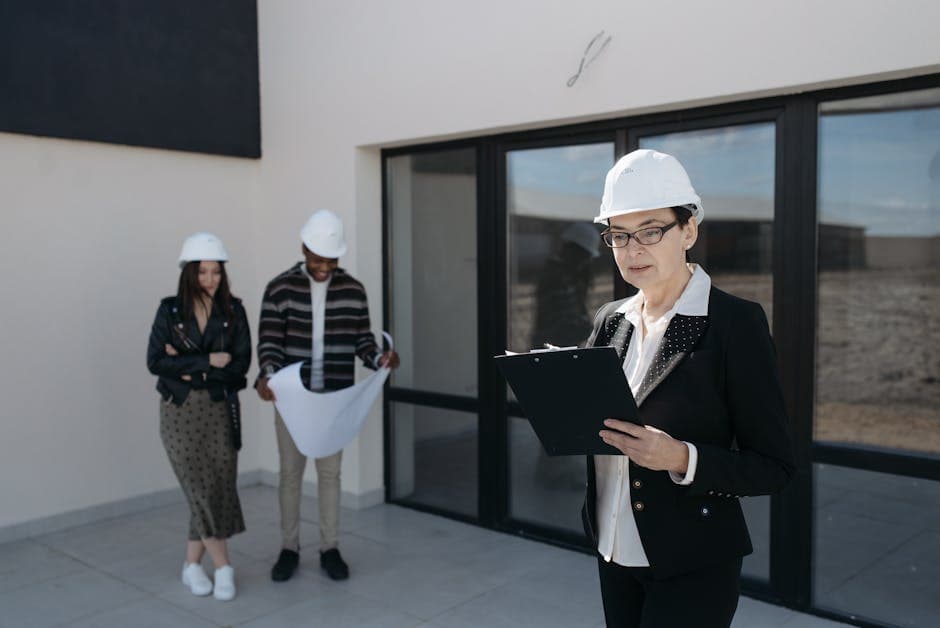
Nashik's commercial landscape is evolving rapidly. From the sprawling industrial estates in Ambad to the emerging retail corridors in College Road and Gangapur Road, commercial buildings are reshaping how this historic city does business. But here's the thing: a poorly designed commercial space isn't just an eyesore—it's a money pit that can hemorrhage operating costs and drive away tenants or customers.
The difference between a commercial building that thrives and one that struggles often comes down to design decisions made at the very beginning. In a city where summer temperatures routinely cross 40°C and where both traditional businesses and modern startups need to coexist, getting the design right matters more than you might think.
What Exactly is Commercial Building Design?
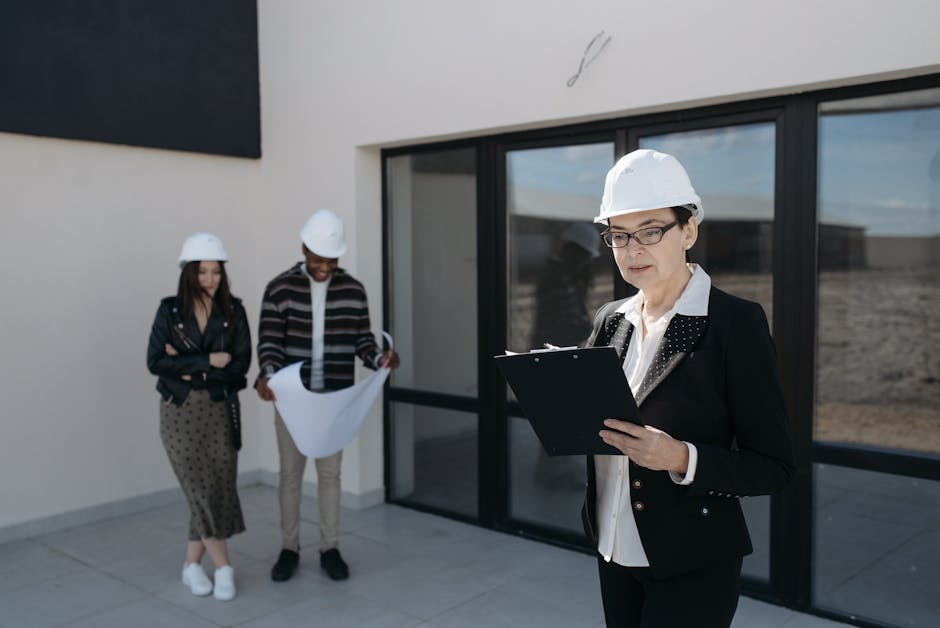
Commercial building design goes far beyond drawing pretty facades. It's the comprehensive process of planning, conceptualizing, and creating functional spaces where businesses operate, customers shop, and commerce happens. Whether it's a standalone retail store on Mumbai-Agra Road, a multi-story office complex near MIDC, or a mixed-use development combining retail and offices, each project demands a unique architectural approach.
The process involves understanding your business requirements, analyzing site conditions, navigating Nashik Municipal Corporation regulations, and creating spaces that balance aesthetics with functionality. A good commercial architect doesn't just design buildings—they design experiences and solve business problems through spatial planning.
In Nashik specifically, commercial building design must account for several local factors. The city's semi-arid climate demands intelligent passive cooling strategies. The cultural mix of traditional businesses and modern enterprises requires flexible design thinking. And let's not forget the practical challenges: parking constraints in older commercial areas, water harvesting requirements, and the need for earthquake-resistant design as per Maharashtra's seismic zone classification.
The Real Benefits of Professional Commercial Building Design
I've seen business owners try to cut corners by using residential architects for commercial projects or worse, working with builders who "also do design." The results are usually disappointing and expensive to fix later.
Professional commercial building design delivers tangible returns. First, there's space optimization. Every square foot in Nashik's prime commercial areas costs money—₹8,000 to ₹15,000 per square foot in premium locations. An experienced architect can increase your usable area by 15-20% through smart planning, mezzanines, and efficient circulation patterns.
Energy efficiency translates directly to lower operating costs. Commercial buildings with proper orientation, shading devices, and natural ventilation can reduce AC loads by 30-40% in Nashik's climate. When your electricity bill runs into lakhs every month, that's real money saved.
Then there's regulatory compliance. Nashik Municipal Corporation has specific requirements for commercial properties—fire safety norms, parking ratios, setback requirements, and accessibility standards. A professional architect ensures you're not stuck midway through construction with compliance issues. If you're dealing with permits and documentation, understanding the building permit documentation process becomes crucial.
Brand identity matters too. Your building is your biggest advertisement. A well-designed commercial structure in Nashik's competitive market can attract better tenants, command higher rents, and create lasting impressions on customers. Look at the successful commercial developments in Satpur or Sula Vineyards' visitor facilities—the architecture itself drives business.
What to Expect When You Commission a Commercial Building Design
The process typically starts with a detailed briefing session. A good architect will ask probing questions about your business model, growth plans, operational requirements, and budget constraints. For a retail project, they'll want to know about customer flow patterns and merchandise display needs. For offices, they'll discuss workspace trends, technology infrastructure, and employee amenities.
Site analysis comes next. Your architect will study everything from soil conditions and sun paths to access points and neighborhood context. In Nashik, they'll also consider factors like monsoon drainage patterns and prevailing wind directions—the westerlies during summer can be harnessed for natural cooling.
The concept design phase is where ideas take visual form. You'll see preliminary sketches, massing studies, and perhaps digital renders showing how your building might look. This is your opportunity to provide feedback before detailed design begins. According to the architectural design process, this stage is critical for establishing the project's direction.
Detailed design involves working drawings, structural plans, MEP (mechanical, electrical, plumbing) layouts, and specifications. This documentation becomes the blueprint for construction. Expect this phase to take 3-4 months for a medium-sized commercial project in Nashik.
Most architects also provide construction supervision or periodic site visits. This ensures the design intent is maintained during execution and helps resolve on-site challenges quickly.
Budget-wise, architectural fees for commercial projects in Nashik typically range from 4-7% of construction costs for complete services. A small commercial building (3,000-5,000 sq ft) might have design fees of ₹3-6 lakhs, while larger projects scale proportionally. Some architects charge fixed fees or per-square-foot rates—discuss fee structures upfront.
How to Choose the Right Commercial Architect in Nashik
Not all architects are created equal, and commercial design requires specific expertise that differs from residential work. Start by reviewing portfolios carefully. Look for experience with your building type—retail, office, hospitality, or industrial. An architect who excels at residential bungalow design might not understand commercial space planning nuances.
Check completed projects in Nashik or nearby. Visit them if possible. Talk to previous clients about timelines, budget adherence, and post-occupancy performance. Did the building function as promised? Were there hidden costs?
Technical capabilities matter. Your architect should be proficient in modern tools like BIM (Building Information Modeling) and energy simulation software. Ask about their approach to sustainable design—IGBC certification, rainwater harvesting, solar integration. These features add value and are increasingly expected in Nashik's commercial market.
Communication style is often overlooked but crucial. Commercial projects involve multiple stakeholders—investors, tenants, contractors, consultants. You need an architect who communicates clearly, responds promptly, and can present ideas convincingly to diverse audiences.
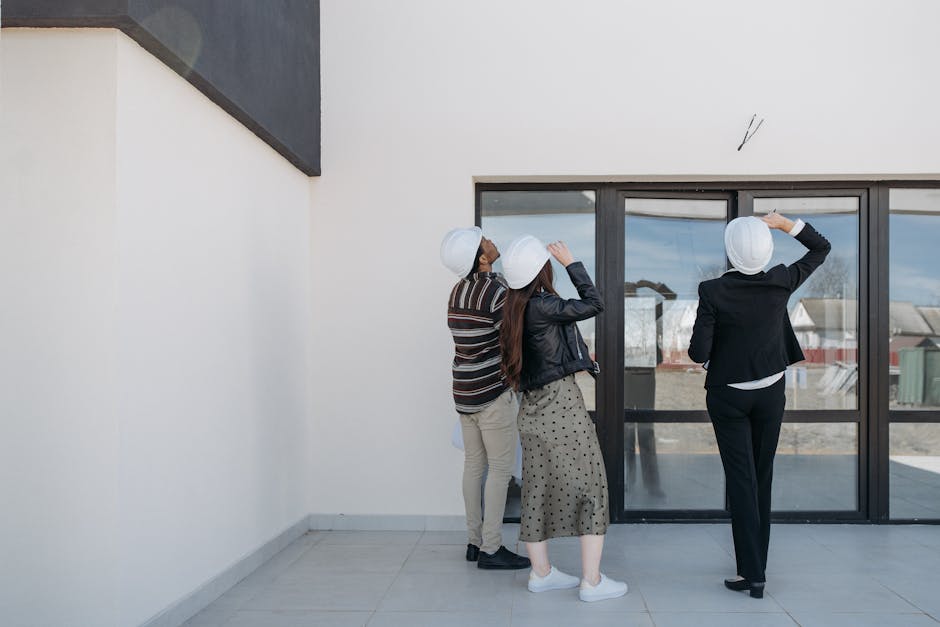
Registration and credentials provide basic assurance. Verify Council of Architecture registration—it's mandatory for practicing architects in India. Membership in professional bodies like IIA (Indian Institute of Architects) indicates commitment to professional standards.
Location convenience matters more than you'd think. While remote collaboration is possible, having an architect based in Nashik or familiar with the city saves time and headaches. They'll know local contractors, material suppliers, and most importantly, how to navigate municipal procedures efficiently.
Chemistry and trust shouldn't be dismissed. You'll work closely with your architect for months. Choose someone whose vision aligns with yours and who listens before prescribing solutions. The best commercial architects act as collaborative partners, not dictators imposing their aesthetic preferences.
Design Considerations Specific to Nashik's Commercial Market
Nashik's commercial real estate has unique characteristics. The wine tourism boom has created demand for hospitality and retail spaces that blend modern amenities with regional architectural character. Industrial growth in MIDC areas needs functional warehouse-cum-office facilities. The city's position as a religious hub means commercial buildings in certain areas must be sensitive to cultural context.
Parking is always contentious. NMC requires specific parking ratios, but the real challenge is creating parking that's functional without consuming too much valuable ground floor area. Mechanical stackers, basement parking, or shared parking arrangements might be solutions worth exploring.
Water conservation isn't optional—it's mandatory under NMC rules and makes business sense. Commercial buildings should incorporate rainwater harvesting, greywater recycling, and water-efficient fixtures. In Nashik's water-stressed summers, this infrastructure protects your operations from disruptions.
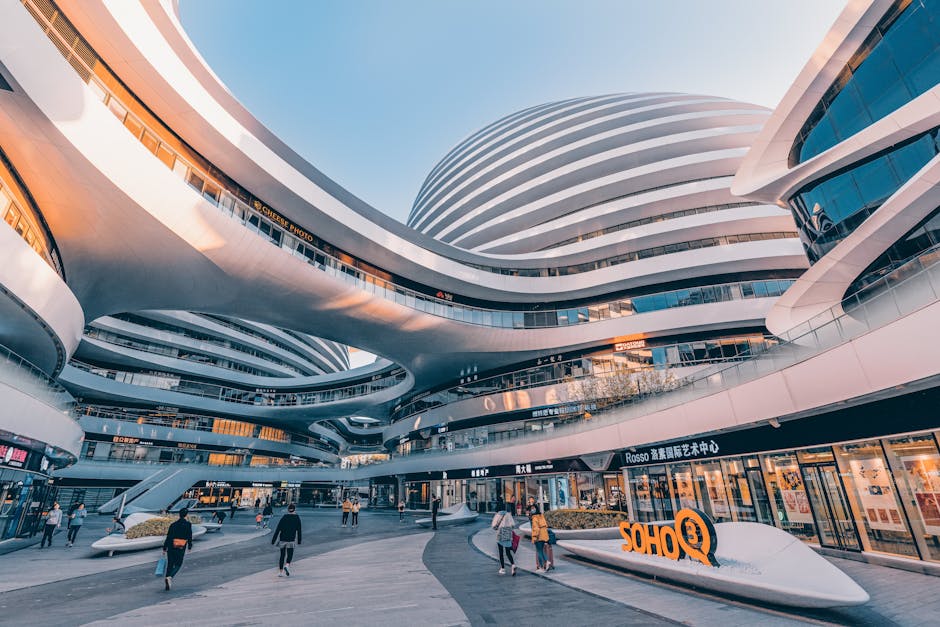
Facade design needs to balance aesthetics with climate response. Large glass facades might look impressive but create heat gain and glare issues. Better solutions include recessed windows, external shading devices like louvres or chajjas, and light-colored finishes that reflect heat. The traditional thick walls and small windows seen in Nashik's older buildings weren't just stylistic choices—they were climate-responsive design before we had fancy names for it.
Material selection should prioritize durability and maintenance. Nashik's humid monsoons and dusty summers are tough on buildings. Natural stone, high-quality tiles, powder-coated metal work, and weather-resistant paints hold up better than cheaper alternatives that need replacement within a few years.
Frequently Asked Questions About Commercial Building Design in Nashik
What is the typical cost per square foot for commercial building construction in Nashik?
Construction costs in Nashik vary significantly based on building type, finishes, and location. Basic commercial structures start around ₹1,800-2,200 per square foot for shell construction. Mid-range commercial buildings with standard finishes typically run ₹2,500-3,500 per square foot. Premium commercial spaces with high-end finishes, advanced HVAC systems, and quality materials can reach ₹4,000-5,500 per square foot or higher. These figures include basic architectural and structural consultancy but exclude land costs, which vary dramatically across Nashik's different commercial zones.
How long does the complete design and construction process take for a commercial building in Nashik?
Timeline depends on project scale and complexity. For a small commercial building (5,000-10,000 sq ft), expect 3-4 months for design and approvals, followed by 8-12 months for construction. Medium-sized projects (15,000-30,000 sq ft) typically need 4-6 months for design and 12-18 months for construction. Larger commercial complexes can take 18-30 months total. NMC approval processes usually take 2-3 months if documentation is complete, though this can extend if there are complications or if fire NOC and environmental clearances are required.
Do I need special approvals for commercial construction in Nashik beyond standard building permits?
Yes, commercial buildings require additional clearances beyond basic construction permits. You'll need fire NOC from the Fire Department, which involves specific design requirements for means of escape, fire-fighting systems, and safety equipment. If your project exceeds certain thresholds, environmental clearances may be required. Trade license and occupancy certificates specific to your business type are needed before operations begin. Buildings in certain zones need parking plans approved separately. Working with architects experienced in Nashik's regulatory landscape helps ensure all these approvals are obtained systematically.
What are the key differences between designing for retail versus office commercial spaces?
Retail and office spaces have fundamentally different requirements. Retail design prioritizes customer experience—prominent visibility from roads, easy accessible entrances, strategic product display zones, and circulation patterns that maximize merchandise exposure. Floor-to-ceiling heights are often higher for retail (12-14 feet) to create an open feel. Offices focus on workspace efficiency, natural lighting for employee productivity, flexible floor plans that adapt to organizational changes, and adequate infrastructure for technology. Office HVAC systems run on predictable schedules, while retail must handle variable occupancy. The visualization techniques used also differ based on these functional requirements.
Should I invest in green building certification for my commercial property in Nashik?
Green building certification like IGBC can be valuable for commercial properties in Nashik, but it's not universally necessary. For premium office spaces targeting corporate tenants or hospitality projects catering to upscale tourists, certification provides marketing advantage and can justify higher rents. The certification process adds ₹150-300 per square foot to costs but delivers operational savings through reduced energy and water consumption. For smaller retail or warehouse properties, implementing sustainable features without formal certification might be more cost-effective. Consider your target market, tenant expectations, and long-term ownership plans when deciding. Nashik's progressive commercial tenants increasingly value sustainability, making it a worthwhile investment for A-grade properties.
Making Your Commercial Building Design Investment Work
The commercial real estate landscape in Nashik is maturing. The days when any building with four walls and a roof could command tenants are fading. Today's businesses expect thoughtfully designed spaces that enhance operations, impress customers, and provide long-term value.
Investing in professional commercial building design isn't an expense—it's strategic capital allocation. The architectural fees you pay upfront multiply into returns through better space utilization, lower operating costs, higher tenant appeal, and ultimately, stronger property values.
Choose your architect carefully. Ask tough questions. Review their work thoroughly. But once you've selected the right partner, trust their expertise while staying engaged in the process. The best commercial projects in Nashik emerge from collaborative relationships where business acumen meets design excellence.
Whether you're developing a boutique retail space in Panchavati, planning an office complex in Satpur, or creating a mixed-use development along the city's expanding commercial corridors, the foundation of success is laid during the design phase. Get it right here, and everything else becomes easier. Rush through it or compromise on design quality, and you'll pay the price throughout the building's lifetime.
Nashik's commercial potential is immense. With proper design, your building can be more than just another structure—it can become a landmark that contributes to the city's evolving architectural identity while delivering solid returns on your investment.