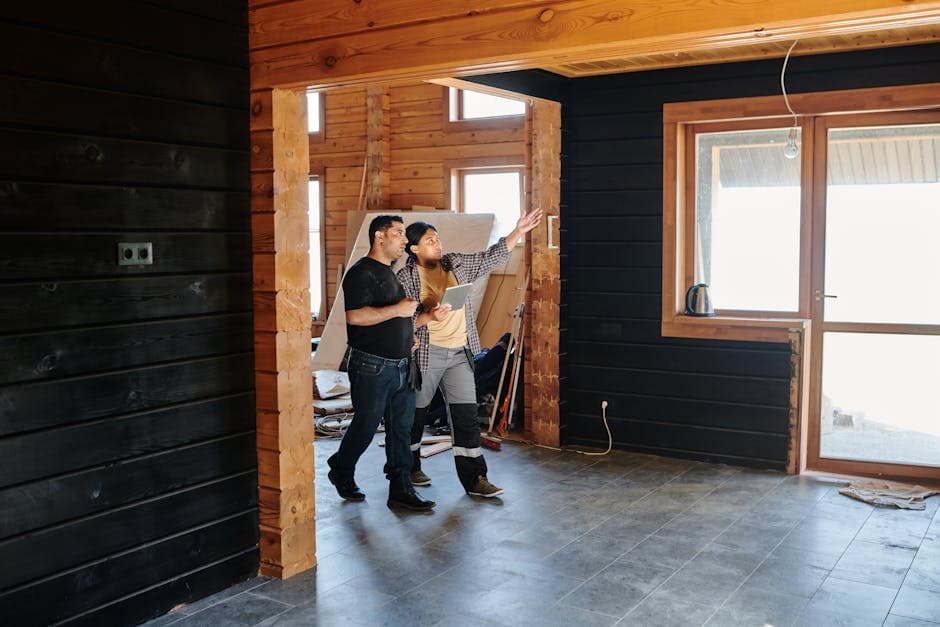
Nashik's real estate landscape has evolved dramatically over the past decade. Old bungalows in Gangapur Road now stand alongside modern apartments in areas like College Road and Indira Nagar. But here's what many property owners are discovering: sometimes the smartest investment isn't buying new—it's transforming what you already have. Renovation and remodeling have become strategic choices for Nashik residents who want to adapt their homes and commercial spaces to contemporary needs without the hassle of relocating.
The city's architectural character reflects its diverse history. You'll find traditional Maharashtrian homes with open courtyards in older areas, mid-century constructions around Panchavati, and relatively newer developments spreading toward Ambad and Satpur. Each presents unique opportunities and challenges when it comes to renovation work.
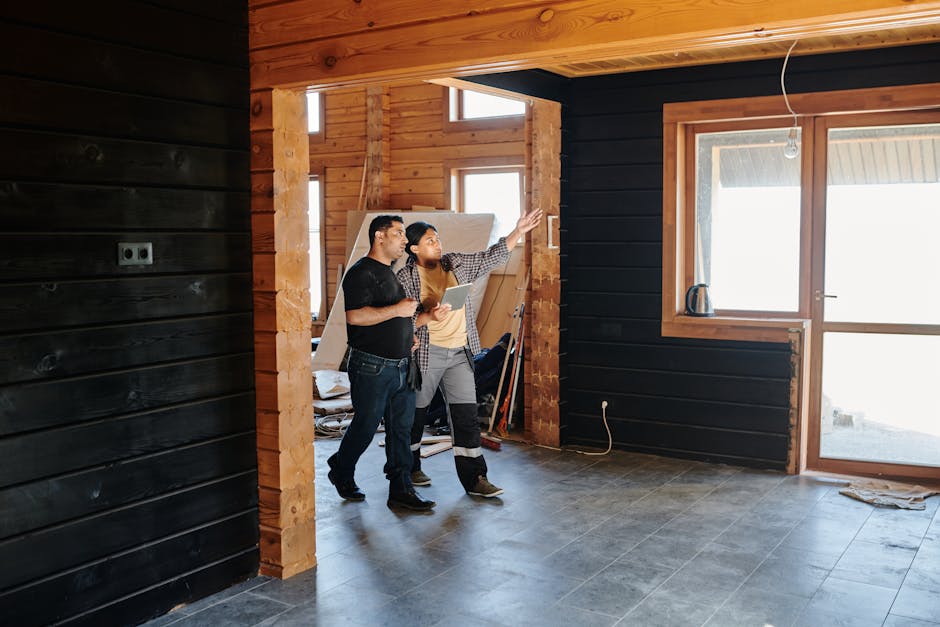
What is Renovation and Remodeling?
Let's clear up the confusion first. Many people use these terms interchangeably, but they're actually different beasts.
Renovation means restoring or refreshing what's already there. You're updating, repairing, or bringing something back to good condition. Think repainting walls, replacing broken tiles, fixing plumbing, or upgrading outdated electrical fittings. It's essentially maintenance and improvement without changing the fundamental structure or layout.
Remodeling goes deeper. This is about changing the structure, layout, or purpose of a space. When you knock down a wall between your kitchen and dining room to create an open-plan area—that's remodeling. Converting an unused terrace into a functional room? Remodeling. Adding a new bathroom by reconfiguring floor space? Also remodeling.
In Nashik's context, most projects blend both approaches. A homeowner in Rane Nagar might start with the intention to renovate their 20-year-old flat but realize they need to remodel the bathroom layout entirely because the old configuration just doesn't work anymore. An architect experienced in local construction patterns can help you understand where simple renovation ends and full-scale remodeling begins.
Commercial renovation projects in Nashik follow similar principles. That restaurant in Sharanpur Road transforming into a modern café? That's both renovation (new flooring, fresh paint) and remodeling (changed kitchen layout, new customer flow patterns).
Why Nashik Property Owners Choose Renovation Over New Construction
The benefits extend far beyond simple cost savings, though that's certainly a major factor.
Financial sense in today's market: Real estate prices in prime Nashik locations like College Road, Rajeevnagar, or near CIDCO have climbed steadily. Buying comparable property means paying current market rates plus registration costs, stamp duty, and GST. Compare that to spending ₹12-18 lakhs on a comprehensive renovation of your existing 2BHK flat. The math favors staying put and upgrading.
Location advantages: Your current property might be in an established neighborhood with schools, hospitals, and temples nearby. Those intangible location benefits are hard to replicate. A renovated home in Nashwadi or Panchavati often beats a newer flat in an upcoming area still waiting for infrastructure to catch up.
Emotional attachment: This might sound sentimental, but it matters. Many Nashik families have ancestral properties where generations grew up. A thoughtful renovation preserves those memories while adapting the space for modern living. I've seen beautiful projects where architects maintained original wooden pillars or courtyard elements while completely modernizing the rest of the structure.
Environmental responsibility: Demolition and new construction generate enormous waste. Renovation reuses most of the existing structure, significantly reducing environmental impact. With Nashik's growing awareness around sustainability—particularly relevant given our dependence on water resources and agricultural surroundings—this consideration carries weight. If you're interested in sustainable approaches, exploring green building consultation services during your renovation planning makes excellent sense.
Avoiding relocation stress: Anyone who's moved knows the disruption involved. Renovation can often be phased—complete one room at a time while living in others. It's manageable, especially for families with school-going children or elderly members.

What to Expect During a Renovation and Remodeling Project
Transparency matters here because renovation projects can test your patience if you're unprepared.
Initial consultation and site assessment: A competent architect will visit your property for detailed examination. They'll check structural integrity, existing plumbing and electrical systems, ventilation patterns, and how Nashik's climate affects your specific building. The Deccan Plateau's semi-arid climate means heat management is crucial—expect discussions about cross-ventilation and possibly AC load if you're upgrading electrical systems.
They should ask about your lifestyle. Do you entertain frequently? Work from home? Have elderly parents living with you? These factors dramatically influence design decisions.
Design and approval phase: Your architect will develop detailed drawings showing proposed changes. For significant structural modifications, you'll need to navigate municipal approval processes—yes, even for interior remodeling if it affects load-bearing elements. Nashik Municipal Corporation has specific requirements, and experienced local architects know exactly how to handle these.
Budget discussions happen here too. Be honest about your numbers. A good architect can work within constraints but only if they know them upfront.
Material selection: Nashik has excellent building material suppliers, especially around Satpur and Ambad industrial areas. Your architect should source quality materials at reasonable prices. For flooring, tiles from local distributors typically run ₹40-200 per square foot depending on quality. Sanitaryware varies widely—₹8,000 for basic sets to ₹50,000+ for premium brands.
Don't always chase the cheapest quote. Mid-range materials from reliable suppliers often deliver the best value for money in Nashik's climate, where moisture during monsoons and summer heat test material durability.
Execution phase: This is where rubber meets road. Timelines in Nashik typically extend 15-20% beyond estimates due to factors like monsoon delays (July-September work slows down), material delivery schedules, and coordination among multiple trades.
A typical 1000 sq ft flat renovation takes 2-3 months for comprehensive work. Remodeling that involves structural changes might stretch to 4-5 months. Weekly site visits by your architect ensure quality control and problem-solving.
Finishing and handover: The final 10% takes as long as you'd expect—painting touch-ups, hardware installation, cleaning, and those hundred small details that transform a construction site into a livable space.
How to Choose the Right Architect for Renovation in Nashik
This decision shapes your entire experience, so choose carefully.
Look for local experience: An architect who's completed multiple projects in Nashik understands local building bylaws, knows reliable contractors, and can anticipate area-specific challenges. They understand that old Nashik properties near Godavari riverbanks might have moisture issues that require specific treatment, or that plots in newer developments might have soil settlement considerations.
Review their portfolio: Ask to see completed renovation projects, not just new construction. Renovation requires different skills—working within constraints, problem-solving when you discover unexpected issues behind walls, and preserving what's worth keeping. Visit completed projects if possible. Talk to previous clients about their experience.
Communication style matters: Renovation is collaborative. You want an architect who listens to your ideas, explains technical aspects clearly, and responds to concerns promptly. During your initial meeting, assess whether they're genuinely interested in your vision or just pushing their standard approach.
Transparent cost structure: Understand their fee structure upfront. Most Nashik architects charge 4-8% of project cost for comprehensive services including design, approvals, and site supervision. Some work on per-square-foot basis (₹25-60 per sq ft depending on scope). Avoid anyone vague about costs or unwilling to provide written agreements.
Technical competence: For complex remodeling involving structural changes, verify they have proper credentials and collaborate with structural engineers. This isn't where you want to cut corners.
Services like interior space planning become particularly valuable during remodeling when you're reconfiguring layouts for better functionality.

Cost Considerations for Renovation and Remodeling in Nashik
Numbers vary wildly based on scope, but here are realistic ranges for Nashik in 2024:
Basic renovation (painting, minor repairs, fixture updates): ₹250-450 per sq ft. For a 1000 sq ft flat, budget ₹2.5-4.5 lakhs.
Moderate renovation (flooring replacement, kitchen and bathroom upgrades, electrical rewiring): ₹600-1000 per sq ft. That same 1000 sq ft space needs ₹6-10 lakhs.
Comprehensive remodeling (structural changes, complete system overhauls, high-end finishes): ₹1200-2000+ per sq ft. You're looking at ₹12-20 lakhs or more for 1000 sq ft.
These ranges include labor, materials, and professional fees. Actual costs depend on material choices—Italian marble versus local vitrified tiles makes enormous difference—and complexity of work.
Smart budgeting tip: Keep 15-20% contingency for unexpected issues. When you open up walls in older Nashik buildings, you occasionally discover problems that weren't visible during initial assessment.
Common Renovation Mistakes to Avoid
Learn from others' experiences:
Ignoring structural integrity: Never compromise on structural aspects to save money. That crack might look cosmetic but could indicate foundation issues needing immediate attention.
Inadequate waterproofing: Nashik's monsoons are no joke. Skimping on waterproofing—especially in bathrooms, kitchens, and terraces—leads to expensive repairs later. Spend the extra ₹30-40 per sq ft for proper waterproofing.
Poor ventilation planning: Our climate demands good cross-ventilation. Don't block natural airflow with ill-planned walls or furniture placement.
Overlooking storage: Most renovation regrets involve insufficient storage. Plan for adequate wardrobes, kitchen cabinets, and utility storage during design phase.
Electrical system shortcuts: With increasing appliance loads, proper electrical planning is critical. Don't just add points to existing circuits—assess overall load and upgrade panel if necessary.
Frequently Asked Questions About Renovation and Remodeling in Nashik
What is the average cost of home renovation in Nashik?
For a typical 2BHK flat (approximately 800-1000 sq ft), basic renovation costs range from ₹2-4 lakhs, moderate renovation runs ₹6-10 lakhs, and comprehensive remodeling with structural changes can cost ₹12-20 lakhs or more. The actual cost depends on material choices, extent of structural work, and finishing quality. Architects' fees typically add 4-8% to the total project cost. It's advisable to keep a 15-20% contingency buffer for unexpected expenses that commonly arise when opening up walls or upgrading older systems.
Do I need municipal approval for home renovation in Nashik?
It depends on the scope of work. Cosmetic changes like painting, flooring replacement, or fixture updates typically don't require approval from Nashik Municipal Corporation. However, structural modifications involving load-bearing walls, adding new rooms, significant plumbing changes, or electrical panel upgrades often require permissions. Any external changes affecting building elevation or adding construction area definitely need approval. A qualified local architect can assess your specific project and guide you through the approval process, ensuring compliance with local building regulations and avoiding future complications.
How long does a typical renovation project take in Nashik?
Timeline varies based on project scope and complexity. A basic renovation covering painting and minor updates takes 3-4 weeks. Moderate renovations involving kitchen and bathroom remodeling typically require 2-3 months. Comprehensive remodeling with structural changes stretches to 4-6 months. Factor in monsoon season delays if your project spans July to September, as outdoor work and material deliveries slow significantly. Phased renovations where you complete one section at a time take longer overall but allow you to continue living in parts of the home during construction.
Can I live in my home during renovation work?
This depends entirely on the renovation scope. For cosmetic work limited to one or two rooms, staying in the home is usually manageable, though inconvenient due to dust and noise. Major remodeling involving kitchen, bathrooms, or structural work makes living there extremely difficult. Many Nashik homeowners choose to temporarily relocate to rental accommodation or stay with family during intensive 2-3 month renovation periods. If you must stay, work with your architect to phase the project—completing bedrooms and one bathroom first so you have functional living space while other areas are under construction.
What are the best months for renovation work in Nashik?
October through June offers the best window for renovation projects in Nashik. The monsoon season from July to September complicates construction—waterproofing applications need dry conditions to cure properly, cement work is affected by humidity, and material transportation faces delays. Additionally, labor availability sometimes reduces during monsoon and major festivals. Starting projects in October or November, post-monsoon, allows completion before the next rainy season. Winter months (December-February) are particularly ideal as comfortable working conditions improve labor productivity and material storage is easier.
Final Thoughts on Renovation and Remodeling in Nashik
The beauty of renovation lies in its potential to bridge past and future. Your 25-year-old home in Nashik Road can incorporate modern amenities while retaining its fundamental character. That inherited property in Old Gangapur can become a contemporary living space without losing its soul.
Success requires three ingredients: clear vision of what you want, realistic budget aligned with that vision, and the right architect to execute it. Don't rush the selection process. Interview multiple architects, visit their completed projects, and trust your instincts about who understands your needs.
Nashik's construction industry has matured significantly. You'll find skilled professionals, quality materials, and reliable contractors—but you need someone knowledgeable to navigate these resources effectively. The difference between a stressful renovation and a smooth one often comes down to having an experienced guide who knows the local landscape.
According to the broader principles of architectural renovation, successful projects balance preservation of valuable existing elements with necessary modernization—a philosophy particularly relevant in a city like Nashik where historical and contemporary needs intersect.
Whether you're updating a family home to accommodate changing needs, converting commercial space for new business requirements, or simply bringing a tired property back to life, thoughtful renovation delivers value far exceeding its cost. You're not just fixing a building—you're creating space that enhances daily life for years to come.
Start with a clear assessment of what you have, honest conversations about what you need, and professional guidance to bridge that gap. The transformation might take a few months, but the results can serve you for decades. That's the real promise of renovation and remodeling done right.