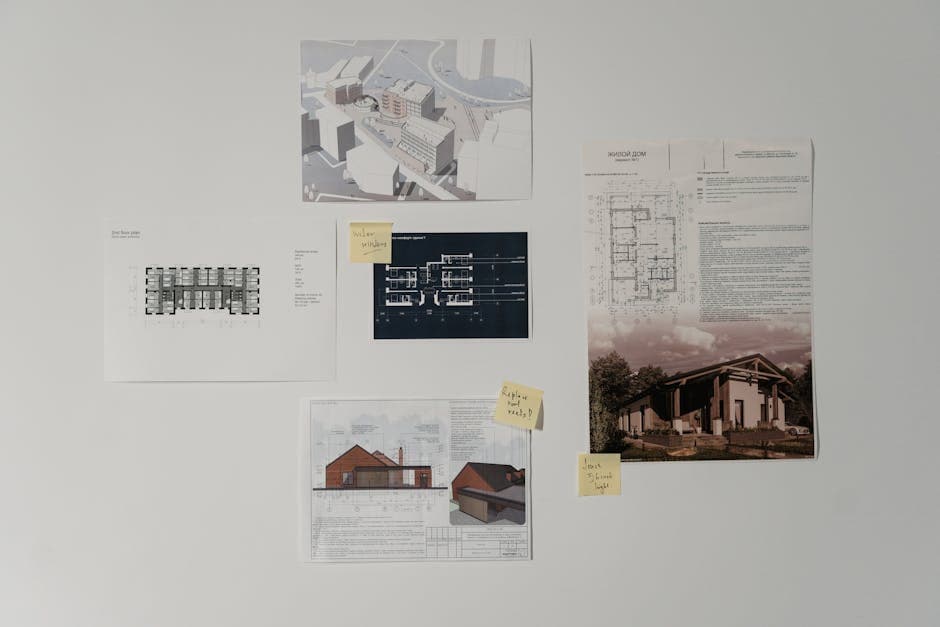
Getting a building plan approved by Nashik Municipal Corporation can feel like navigating a maze. You've got the perfect design in your head—maybe it's that dream bungalow in Pathardi Phata or a commercial complex near College Road—but between your vision and breaking ground lies a crucial step: municipal approval drawings. These aren't just fancy blueprints. They're the legal bridge between your architectural dreams and actual construction, and getting them right the first time saves you months of frustration and thousands of rupees.
In Nashik's rapidly developing landscape, where new residential layouts are mushrooming from Satpur to Ambad, understanding what municipal authorities actually want in these drawings has become essential knowledge for anyone serious about construction.
What Are Municipal Approval Drawings Exactly?
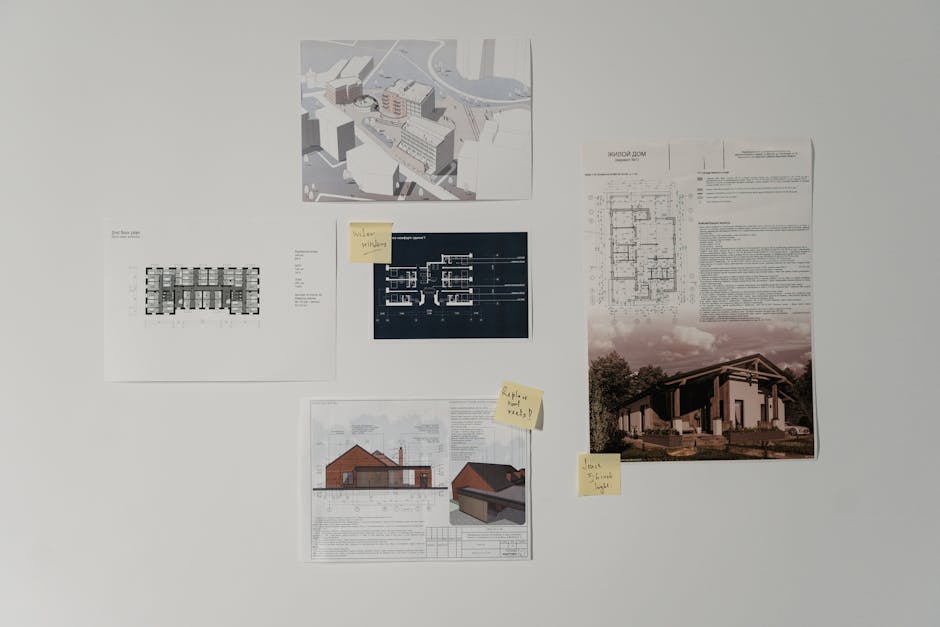
Municipal approval drawings are detailed technical documents that translate your architectural vision into a language the Nashik Municipal Corporation understands and legally recognizes. Think of them as a contract between you and the civic authorities—a promise that your construction will follow all building bylaws, safety regulations, and development control rules specific to Nashik.
These drawings go far beyond the basic floor plans your architect might sketch during initial consultations. They include everything: site plans showing your plot's exact dimensions and setbacks, floor plans for each level, sections that reveal internal heights, elevations showing what your building looks like from all sides, structural details, plumbing layouts, electrical plans, and even parking arrangements.
What makes them "municipal approval" drawings is their compliance with the Development Control and Promotion Regulations (DCPR) for Maharashtra, along with specific local requirements that Nashik Municipal Corporation has added over the years. Your architect needs to show setbacks—the mandatory gaps between your building and property boundaries. For residential plots in Nashik, these typically range from 3 to 6 meters depending on your plot size and road width, though these numbers change in dense areas like Old Nashik versus newer developments in CIDCO colonies.
The drawings must also demonstrate proper natural light and ventilation for habitable rooms, adequate parking (usually one space per dwelling unit for residential and more for commercial), proper waste disposal arrangements, and compliance with Fire Safety regulations if your building exceeds 15 meters in height. In Nashik's climate, where summers can be scorching, the orientation and window placement shown in these drawings actually matters for future comfort—though not all architects think that far ahead.
Why You Can't Skip This Step
Some builders in Nashik still operate with the dangerous mindset that they can "manage" approvals later or work with incomplete documentation. This is foolish. The municipal corporation has tightened scrutiny considerably, especially after several building collapses across Maharashtra led to stricter enforcement.
Proper approval drawings protect you legally. If you start construction without approved plans, NMC can issue a stop-work notice, impose hefty fines, or in extreme cases, order demolition. I've seen cases where owners in areas like Adgaon and Makhmalabad faced penalties exceeding ₹5 lakhs because they started work with "pending" approvals.
These drawings also protect you practically. They force you and your architect to think through every aspect of the building before pouring a single bag of cement. How will rainwater drain during Nashik's monsoons? Where exactly will that septic tank go? Is there enough space for an overhead water tank given your roof design? These questions get answered on paper, where changes cost nothing, rather than during construction when every modification burns cash.
Banks and financial institutions won't release construction loans without sanctioned plans. If you're financing your project—and most people in Nashik are—you need these approvals before money flows. Similarly, getting electricity and water connections after construction requires showing that your building matches the approved drawings.

The Approval Journey: What Actually Happens
The process starts with your architect preparing the complete drawing set. For a typical residential project in Nashik—let's say a ground-plus-one bungalow—this preparation takes anywhere from two to four weeks if the architect is efficient and you're quick with feedback. Larger projects obviously take longer.
Once drawings are ready, they get submitted to NMC along with a heap of supporting documents: 7/12 extracts, property cards, NOCs from various departments, title documents, and structural stability certificates. The corporation assigns a case number and begins scrutiny. Different departments examine different aspects—the town planning department checks compliance with DCPR, the fire department reviews safety measures for taller buildings, and the building proposal department coordinates everything.
Here's where Nashik's reality differs from the official timeline. On paper, NMC promises approval within 30 days for normal buildings and 60 days for complex ones under the Maharashtra Self-Redevelopment Act. In practice? Budget three to six months for residential projects, longer for commercial or industrial developments. Delays happen because of incomplete documentation, revision requests, or simply because files sit in queues.
Your architect should handle queries and revision requests. Sometimes the corporation asks for minor changes—adjusting a setback by a few inches, clarifying a dimension, or adding a missing detail. Other times, if there's a fundamental violation of bylaws, you might need to redesign portions of the building. This is why choosing an architect who knows Nashik's approval landscape matters enormously.
After all departments give their nod, you receive the sanctioned plan—usually two or three sets stamped and signed by municipal authorities. One set stays with you at the construction site (mandatory), one goes in your safe, and your architect keeps a copy. These stamped drawings are legal documents that must be followed during construction.
The Role of Architectural Consultants
While any licensed architect can prepare municipal approval drawings, those who regularly work in Nashik bring invaluable local knowledge. They know which municipal engineer is currently handling which zone. They understand that residential projects near heritage areas like Panchavati face additional scrutiny. They're familiar with how the corporation interprets ambiguous clauses in building bylaws—interpretations that sometimes vary from Mumbai or Pune.
Good architectural consultants in Nashik also coordinate with structural engineers and other specialists. Your building permit documentation requires structural stability certificates from licensed engineers, and the best architects have established relationships with reliable consultants who won't delay your timeline.
For specialized projects—maybe you're planning commercial building design on Mumbai-Agra Highway or a farmhouse in the wine country outside Nashik—you need architects who understand the specific regulations governing those building types and locations.

Choosing the Right Architect for Approval Drawings in Nashik
Not every architect excels at municipal approval work. Some are brilliant designers who create stunning concepts but lack the patience for regulatory compliance. Others are documentation experts who navigate bureaucracy smoothly but produce uninspiring designs. You want someone who balances both skills.
Start by verifying credentials. Your architect must be registered with the Council of Architecture (COA)—this is non-negotiable. They should provide their COA registration number readily. In Maharashtra, only registered architects can submit building plans to municipal corporations.
Experience with NMC specifically matters. Ask how many projects they've gotten approved in Nashik in the past two years. Which areas of Nashik have they worked in? Do they have experience with your type of project? Someone who's done fifty residential bungalow approvals might struggle with industrial building requirements, and vice versa.
Check their revision rate. Every architect faces some queries from the corporation, but if their plans consistently require major revisions, that's a red flag. It signals either careless preparation or outdated knowledge of current regulations. Ask for references and actually call past clients. Find out if approvals came through on the promised timeline and whether the architect remained accessible throughout the process.
Transparency about fees matters too. Most architects in Nashik charge for approval drawings based on plot size or built-up area. For a residential project, expect to pay anywhere from ₹15 to ₹40 per square foot of built-up area, with higher rates for complex projects or premium architects. Some charge flat fees—₹50,000 to ₹2 lakhs for typical residential buildings—while others break down charges into stages. Make sure you understand what's included: Does the fee cover revisions? Site visits? Coordination with structural engineers? Follow-up visits to NMC?
The cheapest option rarely proves economical. An architect who charges ₹15 per square foot but takes eight months to get approval—during which construction costs rise and you pay rent elsewhere—costs you far more than someone charging ₹35 per square foot who delivers in three months.
Common Pitfalls That Delay Approvals
After watching dozens of projects struggle through NMC approvals, certain mistakes appear repeatedly. The most common? Incorrect or outdated property documents. Your 7/12 extract must be recent—not something from five years ago—and property boundaries in your title documents must match what's shown in drawings. Mismatches here grind everything to a halt.
Another frequent problem: ignoring neighborhood context. If you're building in an established area where all surrounding buildings follow certain height patterns and you suddenly propose something dramatically taller, expect questions and delays. The corporation considers neighborhood character, especially in older parts of Nashik.
Incomplete structural details cause rejections too. Many architects submit beautiful floor plans and elevations but provide vague or generic structural information. NMC wants to see foundation details, beam and column sizes, and soil test reports—especially if you're building on Nashik's black cotton soil, which requires special foundation design. According to foundation engineering principles, expansive soils like those found in many parts of Nashik need specific treatment to prevent structural movement.
Don't ignore parking requirements. The corporation has become strict about this. Your drawings must clearly show adequate parking spaces with proper dimensions—not just vague areas marked "parking." For residential buildings, each dwelling unit needs dedicated parking, and commercial projects have even more stringent requirements based on floor area.
Frequently Asked Questions About Municipal Approval Drawings in Nashik
How much do municipal approval drawings cost in Nashik?
For residential projects, architectural fees for approval drawings typically range from ₹15 to ₹40 per square foot of built-up area, depending on project complexity and the architect's experience. A 1500 square foot bungalow might cost ₹25,000 to ₹60,000 for complete approval drawings. This usually includes the basic architectural drawings, but structural design, soil testing, and other specialized consultations often come as additional charges. Commercial and industrial projects generally cost more due to their complexity.
How long does the NMC approval process actually take?
While Nashik Municipal Corporation officially promises approval within 30 to 60 days, realistic timelines are longer. For straightforward residential projects with complete, accurate documentation, expect three to four months. Commercial projects, buildings near heritage zones, or anything requiring multiple departmental clearances can easily take six months or more. Delays often stem from incomplete initial submissions, revision requests, or simply bureaucratic processing times. Working with an experienced local architect who submits complete, accurate drawings from the start significantly reduces waiting time.
Can I start construction before getting final approval?
Absolutely not. Starting construction without sanctioned plans is illegal and risks serious consequences including stop-work notices, heavy fines, and potential demolition orders. NMC has become stricter about enforcement in recent years. Additionally, banks won't release construction loans, and you won't be able to get proper electricity or water connections without approved plans. The temptation to start early might be strong when you're eager to move forward, but the legal and financial risks far outweigh any perceived time savings.
What happens if I need to change the design after approval?
Minor changes during construction—like internal partition adjustments that don't affect the building's structure or external appearance—generally don't require re-approval. However, any significant changes to the building's footprint, height, setbacks, structural elements, or external appearance require submitting revised drawings to NMC for fresh approval. This is called a "building plan revision" and involves additional fees and processing time. Smart practice is to finalize your design thoroughly before seeking approval, as revisions mid-construction cause expensive delays.
Do I need different approvals for residential and commercial buildings?
Yes, commercial and residential projects follow different regulatory requirements in Nashik. Commercial buildings typically require NOCs from more departments—fire safety, pollution control, sometimes traffic police depending on location and size. Parking requirements are more stringent for commercial spaces, and structural safety standards are often higher. Mixed-use buildings that combine residential and commercial spaces need to satisfy both sets of regulations. Your architect must clearly understand which category your project falls under, as misclassifying a building type can lead to rejection or require starting the approval process over with correct documentation.
Moving Forward With Confidence
Municipal approval drawings aren't just a bureaucratic hoop to jump through—they're the foundation of a legally sound, structurally safe, and practically functional building. In Nashik's evolving urban landscape, where development is happening at an unprecedented pace, doing this step properly sets up everything that follows.
Yes, the process takes time. Yes, it requires investment in good architectural services. But consider the alternative: construction delays, legal troubles, safety risks, and the constant worry that something might go wrong. Proper approval drawings give you peace of mind and a clear roadmap for construction.
The best time to start this process? As soon as you've finalized your land purchase and have a clear idea of what you want to build. Don't wait until you're desperate to start construction. Give yourself and your architect adequate time to prepare thorough documentation, respond to queries, and get everything right.
Choose your architect carefully, provide complete information, be patient with the process, and you'll receive those stamped, sanctioned plans that transform your construction project from a hopeful idea into a legal reality. In Nashik's construction landscape, that's not just valuable—it's essential.