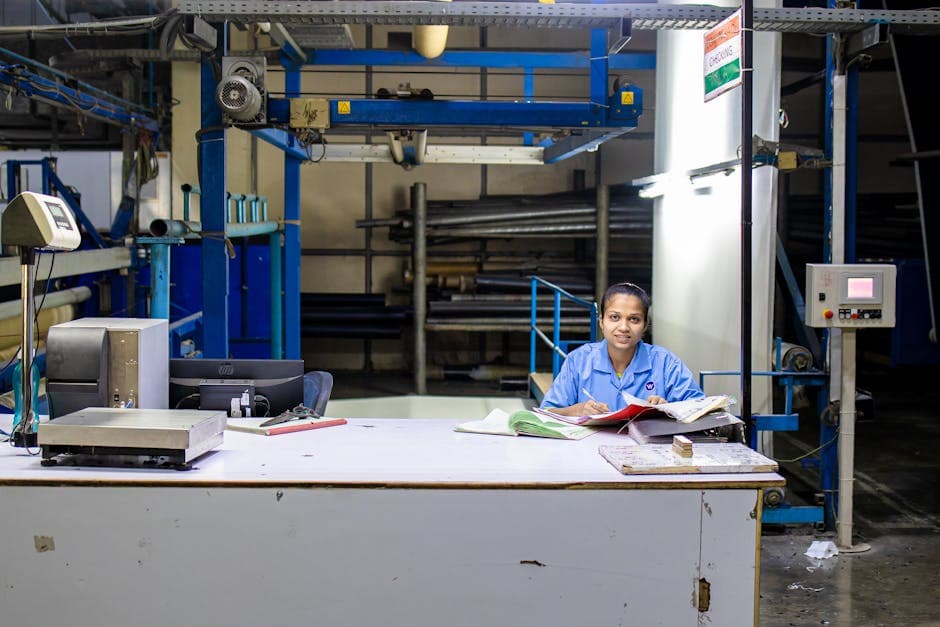
Nashik's industrial corridor has exploded over the past decade. From MIDC areas in Satpur and Ambad to the newer zones in Sinnar, factories are mushrooming everywhere you look. But here's what separates thriving manufacturing units from those constantly battling production bottlenecks: a well-designed factory layout. Getting this right from day one isn't just about fitting machinery into a building—it's about creating a system that breathes efficiency, safety, and profitability into your operations.
Most factory owners I've met in Nashik make the same mistake. They rent or purchase a plot, erect a shed, and then figure out where to place equipment. That's backwards. Your factory layout should dictate your building design, not the other way around. The difference between these approaches can mean saving lakhs in operational costs annually or watching your competitors zoom past you.
What Is Industrial Factory Layout and Why It Matters
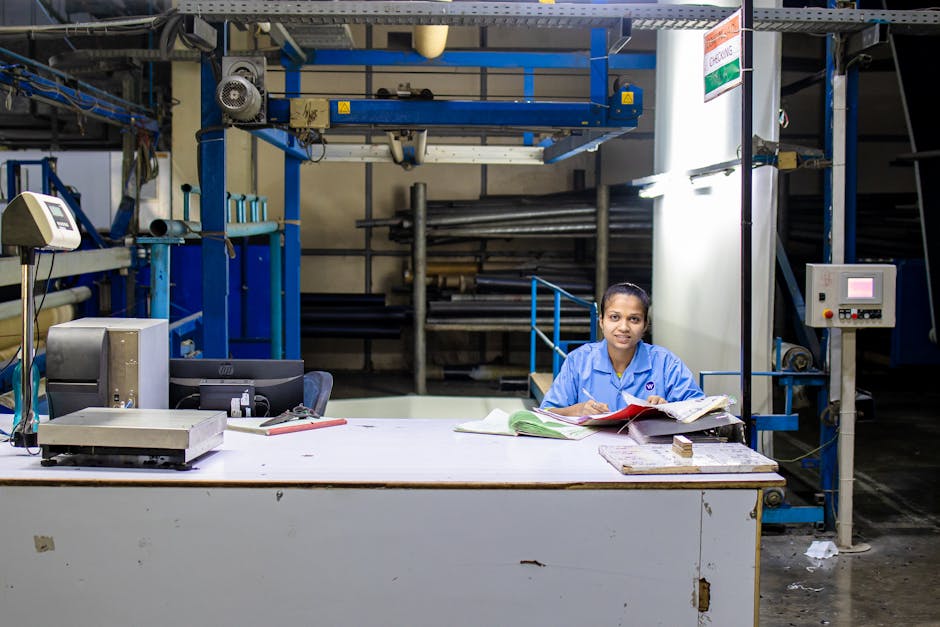
Industrial factory layout is the strategic arrangement of machinery, workstations, storage areas, material handling equipment, and support facilities within your manufacturing space. Think of it as choreographing a dance where raw materials flow in one end and finished products emerge from the other with minimal wasted motion, time, or energy.
In Nashik's context, this becomes even more critical. Our summer temperatures regularly cross 40°C, which affects worker productivity and machinery performance. A good layout considers natural ventilation patterns, positions heat-generating equipment away from manual assembly areas, and plans for adequate cooling zones. These aren't luxuries—they're necessities that directly impact your bottom line.
The best factory layouts follow clear principles: minimize material handling distances, eliminate backtracking, create smooth workflow patterns, and build in flexibility for future expansion. For automotive component manufacturers in Waluj or food processing units near the Agro Park, these principles translate into real competitive advantages.
Benefits That Go Straight to Your Bottom Line
Let's talk numbers because that's what matters. A properly designed factory layout typically reduces material handling costs by 20-30%. For a mid-sized manufacturing unit in Nashik, that could mean savings of ₹8-12 lakhs annually just in labor and equipment costs. But the benefits run deeper than immediate cost savings.
Production cycle times drop significantly when your layout eliminates unnecessary movement. I've seen units cut their production time by 15-25% simply by reorganizing their floor plan. That's the difference between completing 100 units per shift versus 125 units—with the same workforce and equipment.
Worker safety improves dramatically too. When you separate hazardous processes, create clear walkways, and position emergency exits strategically, accident rates plummet. In Maharashtra's stringent factory inspection environment, this isn't just about compliance—it's about protecting your people and avoiding costly shutdowns.
Quality control becomes easier when your layout incorporates inspection stations at logical points in the production flow. Rather than checking finished goods alone, you catch defects early when correction costs pennies instead of rupees. Many pharmaceutical and FMCG units in Nashik have realized this the hard way.
Space utilization is another major win. Nashik's industrial land prices have climbed steadily—today you're looking at ₹2,000-4,000 per square foot in prime MIDC areas. A smart layout can often accommodate growth within your existing footprint, delaying expensive expansion for years.
What to Expect When Working with Industrial Layout Architects
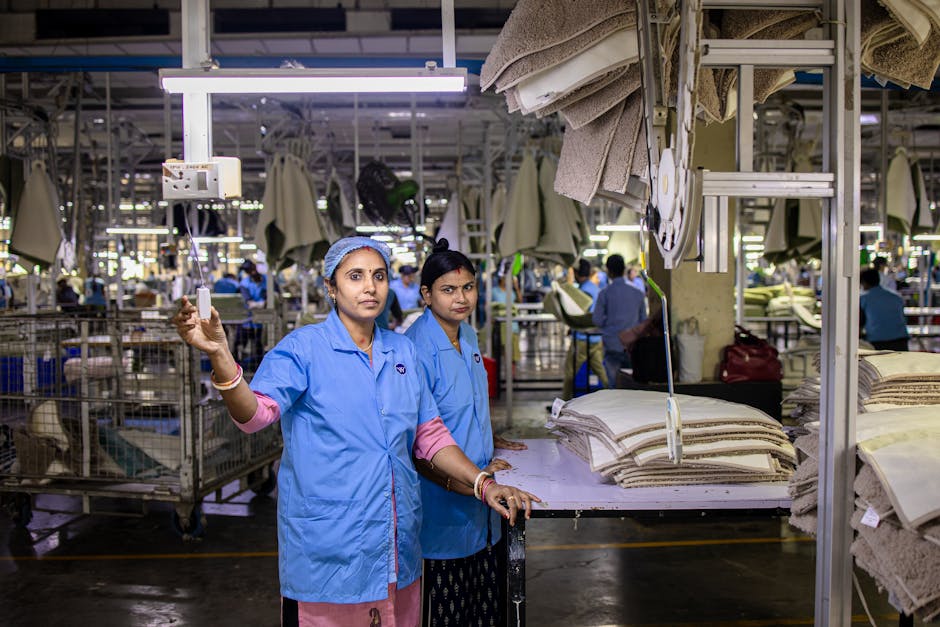
The process starts with understanding your production process inside out. Good architects won't just measure your space and draw lines—they'll spend time on your shop floor (or study your planned operations if you're starting fresh). They'll map your material flow, identify bottlenecks in current operations, and study how your workers actually move through tasks.
Expect detailed discussions about your future growth plans. Are you planning to add new product lines? Will you automate certain processes? These considerations shape whether you need a fixed or flexible layout approach. Similar to how commercial building design requires future-proofing, your factory layout must accommodate evolution.
You'll review multiple layout options—typically three to five different approaches. Each option presents trade-offs. One might optimize for current efficiency, another for future expansion, and a third for investment minimization. The architect's job is presenting these choices clearly so you can make informed decisions aligned with your business strategy.
The documentation phase produces detailed drawings showing equipment placement, utility routing (electrical, compressed air, water, drainage), material flow paths, storage locations, and safety features. These drawings become your roadmap for construction and equipment installation. Quality architects also provide 3D visualizations—these aren't just pretty pictures but crucial tools for spotting potential issues before you've spent a rupee on construction.
Implementation support varies by architect, but the good ones stay involved during construction and equipment installation. This ensures their design translates correctly into reality. Too often, something gets "adjusted" on site that undermines the entire layout logic.
Choosing the Right Architect for Your Factory Layout in Nashik
Not every architect who can design a beautiful bungalow can plan an efficient factory. Industrial layout requires specialized knowledge—understanding manufacturing processes, material handling systems, safety regulations, and industrial building codes that differ significantly from residential or commercial work.
Look for architects with specific industrial experience in your sector. Food processing facilities have completely different requirements than engineering workshops or textile units. An architect who's designed layouts for pharmaceutical manufacturing understands cleanroom requirements and GMP compliance—knowledge that's useless for a metal fabrication shop but critical if that's your business.
Ask to visit previous projects. Don't just look at drawings—walk through actual functioning factories they've designed. Talk to those factory managers about how well the layout works in practice. Did production flow improve? Were there hidden issues that emerged later? Would they hire this architect again?
Local knowledge matters more than you might think. Nashik's industrial architects understand our specific challenges—monsoon drainage issues in low-lying MIDC plots, dealing with Maharashtra Pollution Control Board requirements, working within local municipal regulations, and knowing which contractors and equipment suppliers deliver quality work.
Fee structures in Nashik typically range from ₹250-600 per square foot of factory space for complete layout design services, depending on project complexity and the architect's experience. Some architects charge a percentage of project cost (usually 3-6%), while others work on fixed fees. Be wary of unusually low quotes—cutting corners on layout design is like saving money by skipping your foundation work. Just as proper permit documentation prevents legal headaches, thorough layout planning prevents operational nightmares.
Check their understanding of sustainability and energy efficiency. With electricity costs rising and environmental compliance tightening, your layout should optimize natural lighting and ventilation where possible. Some architects incorporate green building principles into industrial design, potentially qualifying you for incentives and reducing long-term operating costs.
Different Layout Types and Which Suits Your Operation
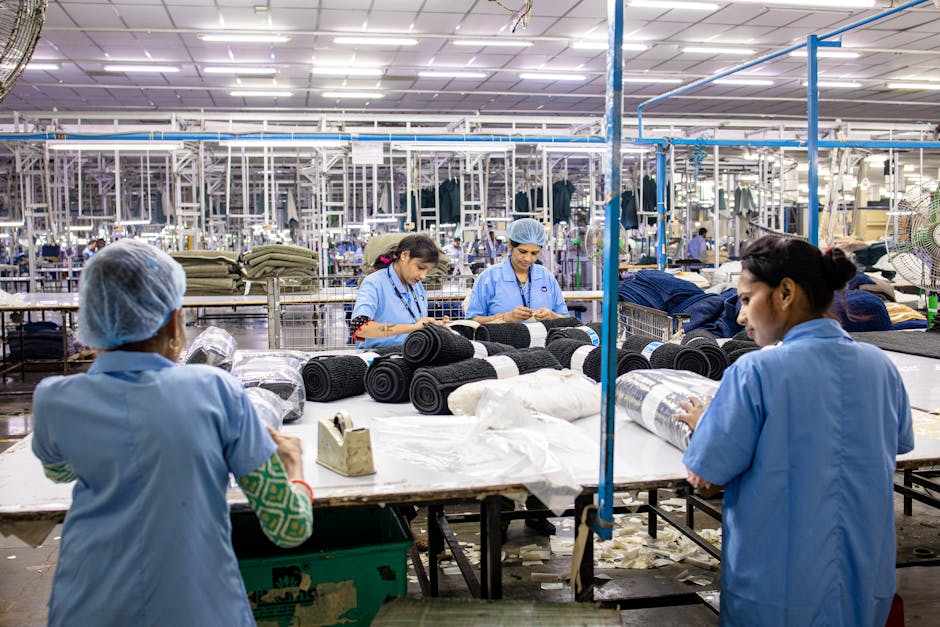
Product layout works best for high-volume, standardized production—think automotive assembly or bottling lines. Equipment arranges in sequence, materials flow in a straight line, and each station performs specific operations. This layout maximizes efficiency but offers limited flexibility.
Process layout groups similar operations together. All welding happens in one zone, machining in another, assembly elsewhere. This suits job shops and low-volume custom manufacturing common in Nashik's engineering sector. It's flexible but requires more material handling.
Cellular manufacturing combines benefits of both approaches by creating mini-factories (cells) within your facility, each handling a product family from start to finish. This reduces movement and simplifies management while maintaining flexibility.
Fixed position layout, where the product stays stationary and workers/equipment move around it, suits large or heavy items—industrial boilers, large tanks, or custom machinery. Several heavy engineering units in Satpur use this approach.
The layout that works depends on your specific production characteristics, order volumes, product variety, and available space. There's no universal "best" layout—only the best layout for your particular situation.
Common Mistakes That Cost Nashik Factory Owners
Underestimating storage requirements tops the list. Raw material storage, work-in-progress inventory, and finished goods warehousing each need dedicated space with appropriate access. Inadequate storage creates chaos—materials pile up in production areas, blocking workflows and creating safety hazards.
Ignoring future expansion is another costly error. Your layout should allow adding equipment or production lines without disrupting current operations. Building expansion capability into your initial design costs little but saves enormous headaches later.
Neglecting utility infrastructure causes endless problems. Electrical panels, compressed air lines, water supply, and drainage need strategic positioning. Retrofitting these after construction costs three to five times more than planning them correctly initially.
Poor employee facility planning affects morale and productivity. Adequate restrooms, changing areas, canteen space, and rest areas aren't optional—they're mandated by the Factories Act and crucial for maintaining a productive workforce in Nashik's heat.
Overlooking loading and unloading areas creates daily bottlenecks. Truck parking, turning radius, dock heights, and temporary storage near receiving areas need careful planning. I've seen factories lose hours daily because trucks can't maneuver properly or block other operations while loading.
Frequently Asked Questions About Industrial Factory Layout in Nashik
How much does professional factory layout design cost in Nashik?
Professional industrial layout design in Nashik typically ranges from ₹3-8 lakhs for small to medium factories (10,000-30,000 sq ft), depending on complexity. Larger facilities or highly specialized operations may cost ₹10-20 lakhs or more. Most architects charge either per square foot (₹250-600/sq ft) or as a percentage of total project cost (3-6%). This investment usually pays for itself within the first year through improved efficiency and reduced operating costs. Budget architects charging significantly less often lack industrial experience, which can prove far more expensive in the long run.
How long does the factory layout design process take?
Expect 6-12 weeks for complete factory layout design from initial consultation to final drawings. The timeline breaks down roughly as follows: initial assessment and data gathering (1-2 weeks), concept development and preliminary layouts (2-3 weeks), detailed design and engineering (2-4 weeks), and documentation and approvals (1-3 weeks). Complex projects with specialized equipment or multi-phase development may take longer. Rushing this process is penny-wise and pound-foolish—a thorough design prevents costly mistakes during construction and operation.
Can we modify our existing factory layout without major disruption?
Yes, most existing layouts can be optimized, though the extent depends on your current structure and production needs. Many Nashik manufacturers successfully implement phased layout improvements, reorganizing one section at a time to minimize production disruption. Weekend or shutdown period modifications are common approaches. An experienced architect can assess your facility and recommend improvements that deliver significant benefits without requiring complete operational shutdown. Sometimes simple changes—relocating storage, repositioning workstations, or improving material flow paths—yield substantial improvements.
What permissions are needed for factory layout in Nashik MIDC areas?
You'll need building plan approval from MIDC for new construction or major modifications, which includes layout drawings. Fire department NOC is mandatory for factories above certain sizes or those handling hazardous materials. Pollution Control Board clearance is required based on your industrial category. If your layout includes specific equipment or processes, additional approvals from relevant authorities may be needed. A good architect familiar with Nashik's MIDC procedures will guide you through these requirements and often handles the documentation process, saving you significant time and hassle navigating bureaucratic channels.
Should we design the building first or the factory layout first?
Always design your factory layout first, then build the structure around it. This is the most common and expensive mistake factory owners make—buying or designing a building, then trying to fit operations inside. Your production process should drive building design, not vice versa. Column spacing, ceiling height, door locations, utility infrastructure, and ventilation requirements all stem from your layout needs. Starting with layout ensures your building perfectly supports your operations rather than constantly working around structural limitations that hamper efficiency.
Making Your Factory Layout Decision
Your factory layout shapes everything—production capacity, operating costs, worker safety, product quality, and your ability to grow. Getting it right requires expertise, but finding that expertise in Nashik is easier than you might think. Our industrial growth has attracted talented architects who understand both general layout principles and local conditions.
Start by clearly defining your production requirements and business goals. Document your process flow, equipment needs, and growth plans. Then engage architects early—preferably before you've finalized your building design or even purchased your plot. Their insights can save you from expensive mistakes and unlock opportunities you hadn't considered.
The cost of professional layout design is modest compared to the investment in land, building, and equipment. More importantly, it's trivial compared to the cumulative cost of operating with a poor layout for years. Every month you operate inefficiently, you're losing money and competitive advantage.
Nashik's industrial future looks bright. As our city attracts more manufacturing investment, the factories that thrive will be those built on solid foundations—and that foundation starts with smart, strategic layout design. Whether you're setting up a new facility or optimizing an existing one, investing in proper layout design isn't optional. It's the difference between running a factory and running a truly competitive manufacturing operation.