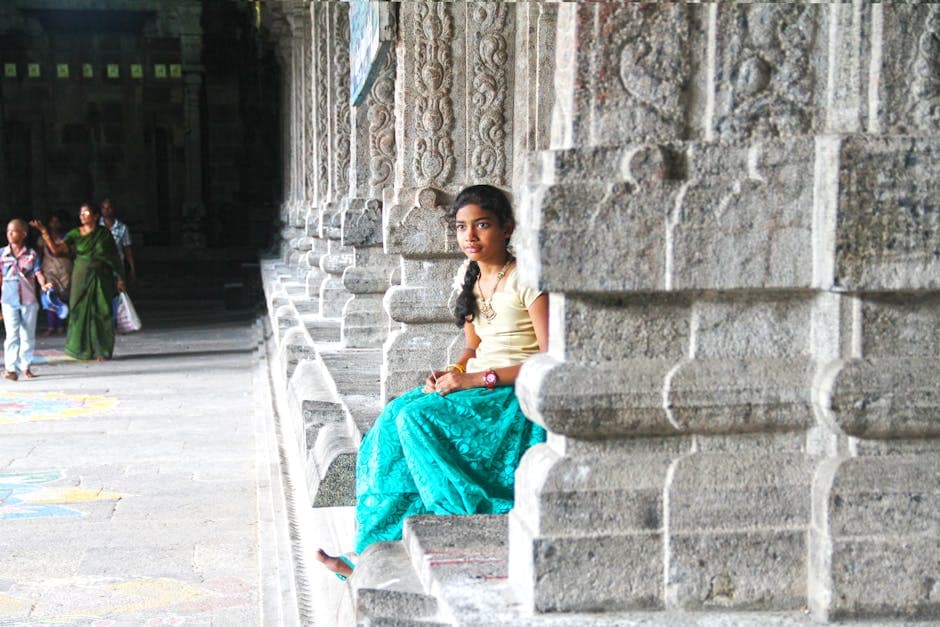
Nashik's spiritual heritage runs deep. Walk through Panchavati or along the ghats, and you'll see temples that have stood for centuries—some with soaring shikharas piercing the sky, others nestled quietly into the landscape. But designing a temple today isn't just about replicating ancient forms. It's about understanding vastu principles, local building regulations, structural engineering, and the devotional needs of communities that will gather there for generations.
If you're a trust, a community organization, or even a family planning to build a temple in Nashik, you need an architect who understands both the sacred geometry and the practical realities of construction in this region.
What is Temple Architecture Design
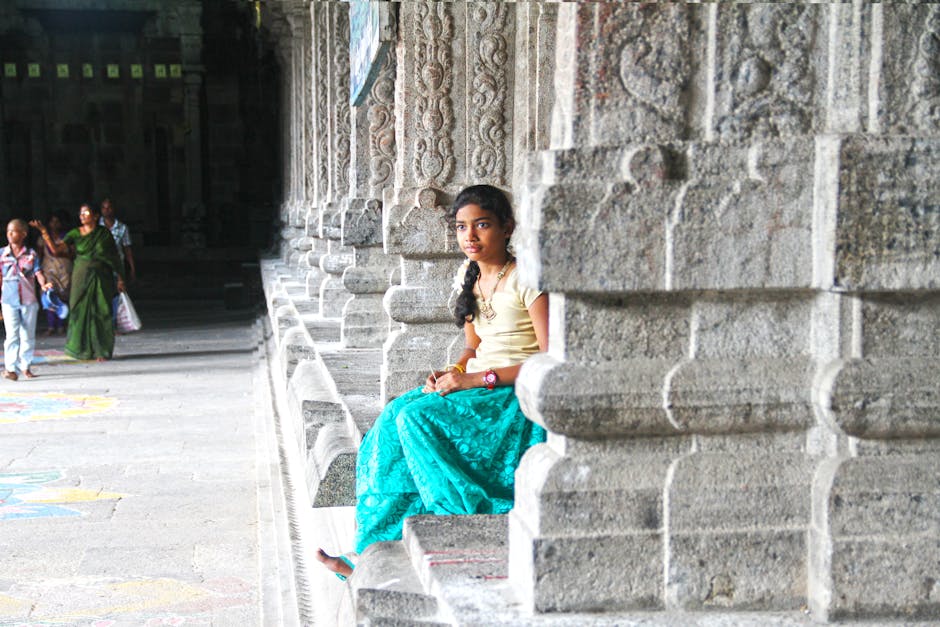
Temple architecture design is a specialized discipline that combines religious iconography, traditional building principles, structural engineering, and spatial planning to create places of worship. Unlike commercial or residential projects, temple design must respect ancient architectural treatises like the Vastu Shastra and Shilpa Shastra while meeting modern building codes and safety standards.
The process involves understanding the deity being worshipped, the rituals that will take place, the expected congregation size, and the site's orientation. Every element—from the garbhagriha (sanctum sanctorum) dimensions to the mandapa height, from the entrance direction to the pradakshina path—follows precise mathematical ratios and spiritual symbolism.
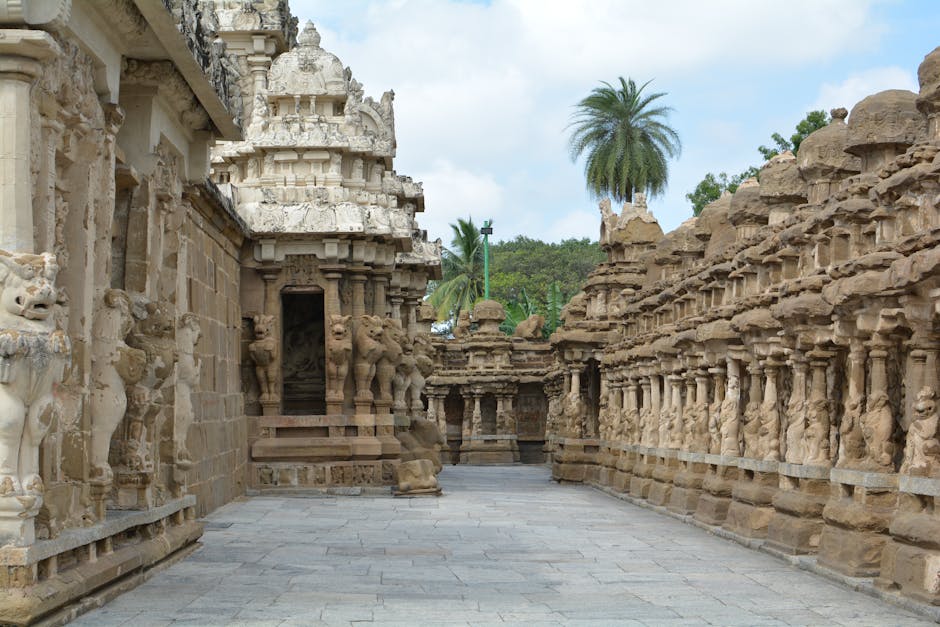
In Nashik, temple architecture often draws from Nagara style traditions, characterized by curvilinear towers and elaborate stone carvings. But we also see Hemadpanthi influences, using interlocking stones without mortar, especially in older structures. Modern temple projects in areas like Nashik Road, Indira Nagar, and Satpur increasingly blend these traditional elements with contemporary construction techniques and materials.
The architect's role extends beyond drawing plans. You're essentially creating a three-dimensional spiritual experience—managing sight lines so the deity is visible from specific points, calculating acoustics for bhajan sessions, planning circulation for festival crowds, and ensuring the structure withstands Nashik's monsoon rains that can be quite intense between June and September.
Benefits of Professional Temple Architecture Design
Why not just hire a local contractor who's built a few temples? Because the difference between amateur construction and professionally designed temple architecture becomes apparent the moment devotees step inside.
Professional temple architects ensure vastu compliance without compromise. They know the difference between a north-facing entrance and a northeast-facing one matters tremendously to devotees, and they'll configure the site accordingly. This isn't superstition—it's respecting centuries of tradition that your community values.
Structural integrity is another critical benefit. Nashik sits in Zone III for seismic activity, meaning earthquake-resistant design isn't optional. A qualified architect will work with structural engineers to create drawings that account for lateral forces, especially important if you're planning a multi-story temple with a tall shikhara.
Then there's the question of approvals. The Nashik Municipal Corporation has specific requirements for religious structures, especially regarding fire safety, parking provisions, and setbacks. An experienced architect navigates these municipal approval processes efficiently, saving you months of back-and-forth.
Professional design also addresses practical concerns often overlooked. Where will devotees leave their footwear? How will natural light illuminate the deity without direct sunlight causing glare during morning aarti? What about ventilation in the main hall during crowded festivals? These details separate temples that feel sacred and welcoming from those that feel cramped and uncomfortable.
Cost efficiency is another advantage. Good architects specify materials that balance durability with budget. They'll tell you which local stones work best (Nashik has excellent basalt sources), where you can use cost-effective alternatives, and which elements deserve premium investment because they're structurally critical or highly visible.
Finally, there's future adaptability. A well-designed temple can accommodate community halls, libraries, or cultural centers as your organization grows—all planned from the beginning rather than awkwardly added later.
What to Expect When Working with Temple Architects in Nashik
The temple design process typically begins with a site visit and extensive consultation. Expect your architect to ask detailed questions about the deity, the sect or tradition you follow, expected congregation sizes, festival requirements, and budget constraints.
Many architects in Nashik will suggest consulting with priests or vastu experts early in the process. This isn't them passing the buck—it's smart practice. Getting religious requirements clarified upfront prevents costly redesigns later when someone realizes the sanctum dimensions don't match traditional proportions.
The initial design phase produces concept drawings showing the overall layout, elevation views, and basic spatial organization. You'll see where the main shrine sits, how the mandapa relates to it, where support spaces like priest quarters or storage go, and how the complex integrates with surrounding landscape. If you're incorporating landscape elements like sacred trees or water features, they'll appear in these early drawings.
Budget discussions happen early too. For a modest neighborhood temple in Nashik (say, 1500-2000 sq ft), you're looking at ₹50-80 lakhs for basic construction, excluding elaborate stone carving or specialty materials. Larger community temples (4000-6000 sq ft) with significant architectural detail can easily cross ₹2-3 crores. Architect fees typically run 5-8% of the construction budget, sometimes higher for complex traditional designs requiring extensive detailing.
The detailed design phase involves working drawings, structural calculations, MEP (mechanical, electrical, plumbing) layouts, and material specifications. This is where precision matters. The architect calculates exact dimensions for elements like the kalasha (pinnacle), specifies foundation depths based on soil tests, and details how traditional elements will be constructed using modern materials when necessary.
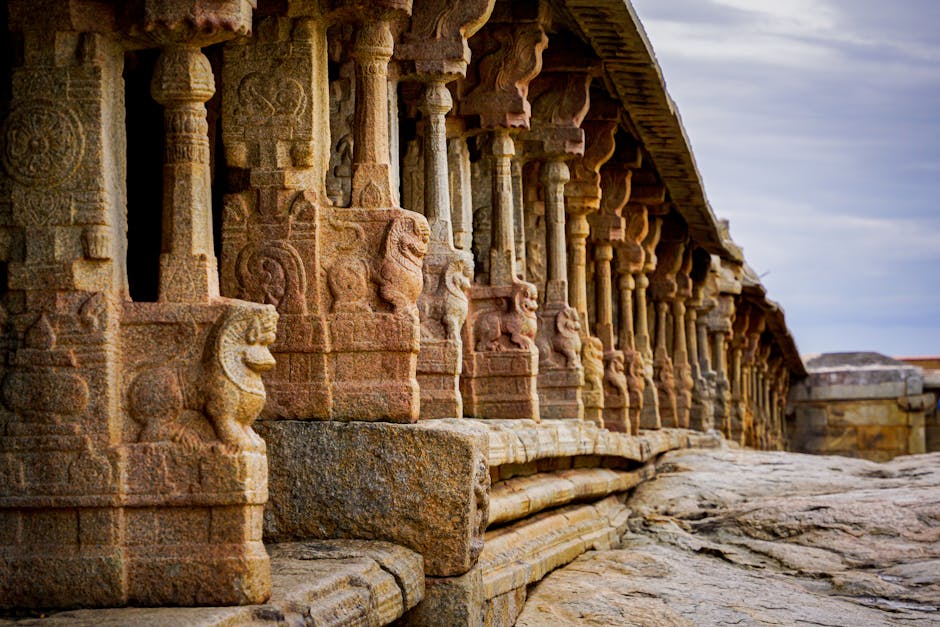
Construction supervision is crucial for temple projects. Stone carving, intricate wood work, and specialized finishes require close monitoring. Many Nashik architects recommend phased construction—completing the core structure and sanctum first, then adding decorative elements as funds allow. This lets you consecrate and begin using the temple while finishing touches continue.
Timeline? A small to medium temple project typically takes 18-30 months from initial design to completion. Larger complexes can extend to 3-5 years, especially if you're commissioning extensive stone sculpture or importing specific materials.
How to Choose the Right Temple Architecture Firm in Nashik
Not every architect who designs homes or commercial buildings understands temple architecture. Start by looking for firms with demonstrated temple project experience. Ask to visit completed temples they've designed—preferably in Nashik or nearby areas so you can see how their work has weathered local conditions.
When you meet potential architects, gauge their willingness to collaborate with religious advisors. If they're dismissive of traditional requirements or push generic modern designs without understanding your needs, walk away. The best temple architects balance reverence for tradition with practical construction knowledge.
Technical competence matters enormously. Ask about their approach to structural design, especially for tall structures. Do they have in-house structural engineers or reliable consultants? How do they handle waterproofing (critical in Nashik's monsoon climate)? What's their experience with natural stone work versus cast stone alternatives?
Check their local connections. Architects familiar with Nashik know which stone suppliers in Sinnar or Igatpuri offer quality materials at fair prices. They understand NMC's approval quirks and have relationships with reliable contractors who understand temple construction's specialized requirements.
Budget transparency is non-negotiable. Good architects provide detailed cost estimates broken down by work phases. They'll explain where costs can be value-engineered without compromising quality and where you shouldn't cut corners. Beware of architects who provide vague estimates or promise unrealistically low costs.
Finally, assess their communication style and availability. Temple projects involve multiple stakeholders—trust members, priests, donors, community representatives. Your architect needs patience and clarity to manage these diverse inputs while keeping the project on track.
Frequently Asked Questions About Temple Architecture Design in Nashik
How much does temple architecture design cost in Nashik?
Architectural fees for temple design in Nashik typically range from ₹3-8 lakhs for small to medium-sized projects, depending on complexity and detail level. This usually represents 5-8% of the total construction budget. For elaborate traditional designs with extensive documentation for carved elements, fees can go higher. Most architects offer phased payment schedules tied to design milestones—concept approval, detailed drawings, and construction supervision stages.
Do temple architects in Nashik understand vastu shastra requirements?
Reputable temple architects in Nashik work closely with vastu consultants or have studied these principles themselves. However, you should verify this during initial meetings. Ask specific questions about garbhagriha orientation, entrance direction, and deity placement protocols relevant to your tradition. Many architects collaborate with pandits from Nashik's traditional priest families who provide guidance on proportions and rituals specific to different deities. This collaborative approach ensures both structural integrity and spiritual authenticity.
What approvals are needed to build a temple in Nashik?
Building a temple in Nashik requires standard building plan approval from the Nashik Municipal Corporation, which includes structural safety certification, fire safety clearance, and compliance with development control regulations. If your temple exceeds certain height limits or footprint, you may need additional clearances. Religious structures also need adequate parking provisions—typically one parking space per 50 sq meters of built-up area. Your architect should handle this approval process, which typically takes 3-6 months depending on project complexity and documentation completeness.
Can we build a traditional stone temple with modern construction techniques?
Absolutely, and it's actually recommended. The best contemporary temple architecture in Nashik uses RCC (reinforced cement concrete) for structural frames while incorporating traditional stone elements for aesthetic and devotional purposes. This hybrid approach provides earthquake resistance and weather durability while maintaining the traditional appearance devotees expect. Stone cladding, carved pillars, and decorative elements can be authentically executed while the underlying structure uses modern engineering. This combination is particularly important in Nashik's climate where heavy monsoons demand robust waterproofing that traditional construction alone may not provide.
How long does it take to design and build a temple in Nashik?
The design phase typically takes 3-6 months, including concept development, detailed drawings, and approvals. Construction duration depends on size and complexity. A simple 1500 sq ft neighborhood temple might be completed in 12-18 months. Larger community temples with extensive stone carving and traditional architectural details often require 24-36 months. Weather significantly impacts timelines—foundation work during monsoon season slows progress, and delicate finishing work is best done in dry months. Most architects recommend starting design in winter so construction can begin after monsoons end, maximizing productive building time.
Moving Forward with Your Temple Project
Building a temple is more than a construction project—it's creating a spiritual anchor for your community that will serve devotees for generations. Whether you're planning a modest neighborhood shrine in Nashik Road or an elaborate temple complex in Panchavati, the foundation of success is finding an architect who respects your vision while bringing technical expertise and local knowledge.
Start by clarifying your requirements. How many people will gather for regular worship versus major festivals? What specific rituals need accommodation? What's your realistic budget, including contingency for inevitable changes? Having these answers ready makes initial architect consultations far more productive.
Don't rush the architect selection. Meet with several firms, visit their completed projects, and trust your instincts about who understands your community's needs. The lowest bid isn't always the best value when you're building something meant to last centuries.
Remember that great temple architecture emerges from collaboration—between architect and client, between technical knowledge and spiritual wisdom, between traditional forms and contemporary requirements. Nashik has the skilled professionals, the material resources, and the spiritual heritage to support your temple project. With thoughtful planning and the right architectural partner, you can create a sacred space that honors tradition while serving your community's evolving needs.