
Building anything substantial in Nashik—whether it's a bungalow in Makhmalabad, a factory in Satpur MIDC, or a residential complex along Gangapur Road—requires more than just an architect's creative vision. Behind every successful construction project lies a set of precise structural drawings that translate architectural dreams into engineering reality. These aren't mere blueprints; they're the detailed roadmaps that ensure your building stands strong against Nashik's monsoon rains and the test of time.
The demand for quality structural drawing services has grown exponentially in Nashik as the city transforms from its wine capital identity into a major industrial and residential hub. But finding professionals who truly understand both the technical requirements and local building dynamics? That's where things get interesting.

What Exactly Are Structural Drawing Services?
Structural drawings form the backbone of any construction project—literally. These are highly technical documents prepared by structural engineers that show exactly how a building's skeleton will be constructed. Unlike architectural drawings that focus on aesthetics and space planning, structural drawings deal with the nuts and bolts: beams, columns, foundations, load-bearing walls, reinforcement details, and every connection that holds your building together.
Think of it this way: your architect shows you what your dream home will look like, but the structural engineer figures out how to make it stand upright without collapsing. In Nashik's varied terrain—from the rocky patches near Pandav Leni to the softer soil in newer development areas—this becomes especially critical.
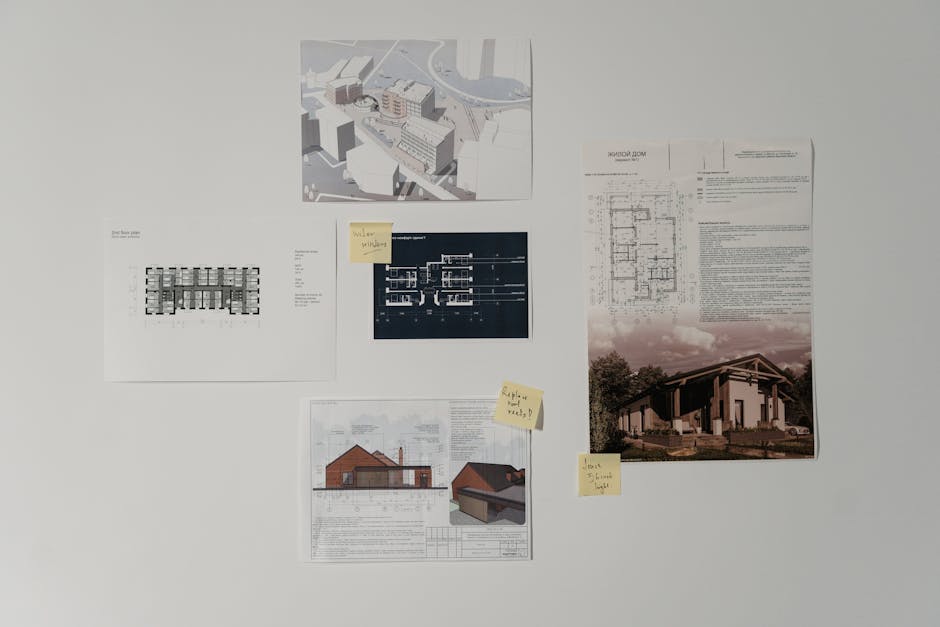
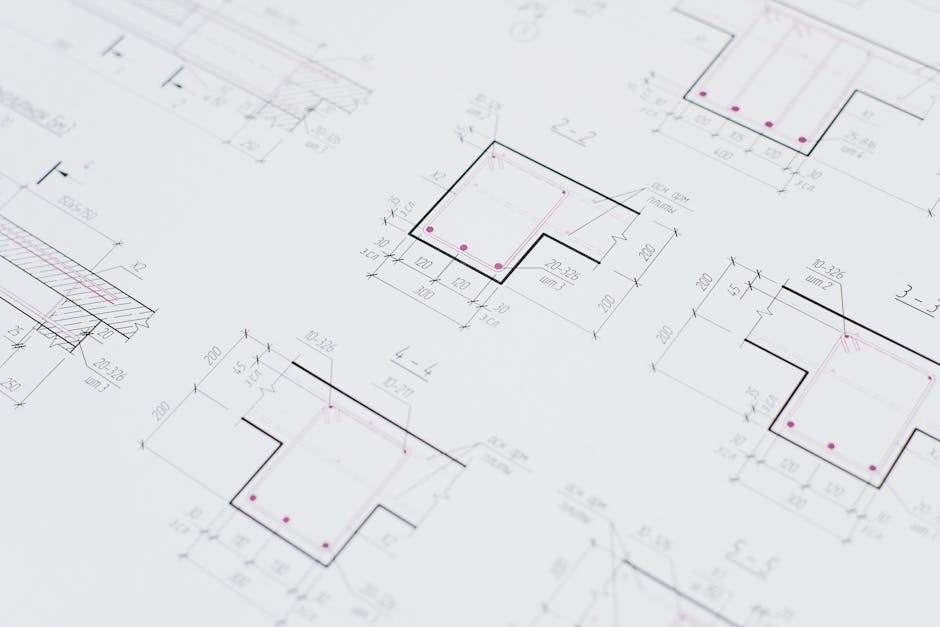
A complete set of structural drawings typically includes foundation plans showing depth and reinforcement details, column and beam layouts with size specifications, slab reinforcement drawings, staircase structural details, and crucial cross-sections that reveal how different elements connect. For those pursuing municipal approval drawings for construction in Nashik, these structural documents form an essential component of your submission to the Nashik Municipal Corporation.
The Technical Details That Matter
Good structural drawings specify everything a contractor needs to know. Steel grades, concrete mix proportions, bar bending schedules, welding specifications, and load calculations all find their place in these documents. The drawings must comply with Indian Standard codes—particularly IS 456 for concrete structures and IS 800 for steel structures—along with local seismic zone requirements since Maharashtra falls in seismic zones III and IV.
Many Nashik residents don't realize that structural drawings aren't optional extras. The NMC requires them for building plan approvals, especially for structures exceeding two floors. Banks also demand these drawings before sanctioning construction loans. They're not bureaucratic red tape; they're safety essentials.
Why Professional Structural Drawing Services Save You Money and Headaches
I've seen too many construction projects in Nashik run into trouble because owners tried to cut corners on structural engineering. The initial savings evaporate quickly when you're dealing with cracks in walls, excessive beam deflection, or worse—structural failures during monsoons.
Accurate material estimation ranks among the biggest benefits. Professional structural drawings include detailed bar bending schedules that tell you exactly how much steel you need. This precision prevents both wasteful over-ordering and dangerous under-ordering. For a typical 2000 sq ft residential project in Nashik, proper structural planning can save ₹80,000 to ₹1.5 lakhs in material costs alone.
Then there's the construction efficiency factor. Contractors work faster and more confidently when they have clear, detailed drawings. No guesswork, no stopping work to figure things out, no expensive on-site modifications. Time is money, especially when you're paying daily wages to labor and equipment rental.
Safety cannot be overstated. Nashik experiences heavy monsoons between June and September. Buildings designed without proper structural consideration face water seepage, foundation issues, and in extreme cases, collapse. Professional structural drawings account for local soil conditions, rainfall patterns, and wind loads specific to your location.
For those working on residential house design in Nashik, the integration between architectural and structural drawings becomes crucial. The best projects happen when architects and structural engineers collaborate from day one.
What to Expect When Hiring Structural Drawing Services
The process starts with a site visit. Any structural engineer worth their salt will want to inspect your plot personally. They'll assess soil conditions, check existing structures if you're working on renovation and remodeling projects, understand drainage patterns, and note any peculiarities like sloping terrain or proximity to water bodies.
Next comes the preliminary structural design phase. Based on architectural plans, the engineer develops the structural system—deciding whether to use RCC frame structures, load-bearing walls, or composite systems. They'll run load calculations, factor in dead loads, live loads, wind loads, and seismic forces specific to Nashik's location.
The Drawing Development Stage
This is where detailed structural drawings take shape. Foundation drawings come first—showing footing sizes, depth, reinforcement, and plinth beams. For Nashik's black cotton soil areas, foundation design requires extra attention since this soil type expands and contracts with moisture changes.
Column and beam layouts follow, specifying sizes, reinforcement patterns, and connection details. Slab drawings show thickness, reinforcement mesh, and any special features like sunken slabs for bathrooms. Staircase details, often overlooked, require careful structural planning for both safety and comfort.
The timeline varies based on project complexity. A straightforward residential bungalow might need 2-3 weeks for complete structural drawings. Larger projects like commercial complexes or industrial buildings can take 6-8 weeks. Rush jobs are possible but not recommended—structural design isn't something you want hurried.
Pricing Reality in Nashik
Structural drawing services in Nashik typically charge based on project area and complexity. For residential projects, expect ₹15 to ₹25 per square foot of built-up area. A 2000 sq ft home would cost between ₹30,000 and ₹50,000 for complete structural drawings and basic supervision.
Commercial and industrial projects command higher rates—₹25 to ₹40 per square foot—due to increased complexity, higher loads, and stricter compliance requirements. Some consultants offer package deals including structural design, drawings, and site supervision throughout construction, which often provides better value.
Don't automatically grab the cheapest quote. I've watched projects end up costing double because initial "budget" structural drawings lacked detail, leading to constant site modifications. The consultant who charges ₹5 per square foot less but produces inadequate drawings isn't saving you money.
Choosing the Right Structural Drawing Provider in Nashik
Nashik has no shortage of engineering consultants, but quality varies dramatically. Start by verifying credentials. Your structural engineer should hold a degree in civil engineering and preferably membership in professional bodies like the Institution of Structural Engineers or the Indian Society of Structural Engineers.
Experience with local projects matters more than you'd think. An engineer who's worked extensively in Nashik understands NMC's specific requirements, knows which soil conditions exist in different areas, and has relationships with municipal officials that can smooth the approval process. Ask for references from recent Nashik projects and actually call those references.
Technology adoption indicates quality. Modern structural engineering firms use software like STAAD Pro, ETABS, or SAP for structural analysis. Hand calculations still have their place, but complex structures demand computer-aided analysis. Ask what software they use and whether they provide 3D structural models—these help visualize the structural system and catch conflicts before construction.
The Collaboration Factor
Your structural consultant should communicate clearly with you and your architect. Technical jargon has its place in calculations, but when explaining design choices to you, they should speak plain language. Do they respond promptly to queries? Are they willing to visit the site during construction? These soft factors often determine project success as much as technical competence.
Check their portfolio specifically for projects similar to yours. If you're building an industrial warehouse in Satpur, you want someone experienced in industrial factory layout design, not just residential work. Different building types present unique structural challenges.
Also inquire about post-drawing support. The best structural consultants provide clarifications during construction, visit the site at critical stages like foundation laying and column casting, and review contractor work to ensure drawings are being followed. This supervision shouldn't cost extra—it's part of professional responsibility.
Common Pitfalls and How to Avoid Them
The biggest mistake I see in Nashik? Starting construction before structural drawings are complete. Enthusiasm is great, but beginning foundation work with only architectural plans is asking for trouble. You'll either build wrong and need costly corrections, or you'll constantly stop work waiting for structural details.
Another trap is treating structural drawings as mere formalities for NMC approval. Some owners get the drawings, submit them to the corporation, then ignore them during construction. Your contractor might suggest "improvements" or "cost-saving alternatives" that compromise structural integrity. Stick to the approved structural design unless your engineer explicitly approves changes in writing.
Don't compartmentalize your design team. Your architect, structural engineer, and MEP (mechanical, electrical, plumbing) consultants need to coordinate. Structural beams must accommodate plumbing lines. HVAC requirements affect slab design. This coordination happens through regular design meetings, not just exchanging drawings by email.
Frequently Asked Questions About Structural Drawing Services in Nashik
How much do structural drawing services cost for a typical house in Nashik?
For a standard residential house of 1500-2500 square feet, structural drawing services in Nashik typically range from ₹30,000 to ₹60,000. This includes foundation plans, structural layouts, detailed reinforcement drawings, and basic construction supervision. Costs increase for larger homes, complex designs with cantilevers or basements, or difficult soil conditions. Premium consultants with extensive experience may charge ₹25-30 per square foot, while newer firms might offer ₹15-18 per square foot. Always clarify what's included—some quotes cover only drawings while others include site visits and supervision.
Do I need separate structural drawings if I already have architectural plans?
Absolutely yes. Architectural plans show what your building looks like—room layouts, elevations, facades, and finishes. Structural drawings show how it stands up—foundation depths, column sizes, beam dimensions, and reinforcement details. They're complementary but entirely different documents. The Nashik Municipal Corporation requires both for building approvals, and no responsible contractor will start work without structural drawings. Think of architectural plans as the "what" and structural drawings as the "how."
How long does it take to prepare structural drawings for a residential project in Nashik?
A straightforward single-family home with 2-3 floors typically requires 2-3 weeks for complete structural drawing preparation after the architectural design is finalized. This includes initial site assessment, structural analysis, drawing preparation, and internal reviews. More complex projects with basements, large spans, or challenging soil conditions may need 4-6 weeks. Always factor in revision time—you'll likely have questions or modifications that add a few days. Starting the structural design process early, even before architectural plans are 100% finalized, can reduce overall project timelines.
Can I modify the structure during construction to save costs?
Making structural changes during construction without consulting your structural engineer is dangerous and potentially illegal. If you want to modify anything—column locations, beam sizes, foundation depths—you must get your engineer's written approval and submit revised drawings to NMC if required. Some modifications seem minor but can compromise structural safety. That said, legitimate cost optimization is possible during the design phase before construction starts. Discuss budget constraints with your engineer upfront so they can design efficiently while maintaining safety standards.
What's the difference between structural drawings and structural design?
Structural design is the engineering process—analyzing loads, calculating member sizes, determining reinforcement requirements, and ensuring the building meets safety codes. Structural drawings are the visual documentation of that design, showing contractors exactly how to build what the engineer designed. You need both. The design ensures your building is safe and compliant; the drawings communicate that design to the construction team. When you hire structural drawing services, you're typically getting both design and drawings as a package, though some consultants charge separately for design calculations and drawing preparation.
Moving Forward With Your Nashik Construction Project
Quality structural drawing services form the foundation—quite literally—of successful construction in Nashik. Whether you're building your dream home in New Cidco, developing a commercial complex on Mumbai-Agra Road, or constructing an industrial facility in the MIDC area, investing in professional structural engineering pays dividends in safety, efficiency, and peace of mind.
Start your structural planning early, ideally simultaneously with architectural design. This allows better integration and prevents the frustration of redesigning architecture because structural requirements weren't considered. Choose your structural consultant based on qualifications, local experience, and communication skills—not just the lowest price.
Remember that structural drawings aren't just paperwork for municipal approval. They're your insurance policy against construction problems, your guide to material efficiency, and your contractor's roadmap to building correctly the first time. Nashik's growth presents tremendous opportunities for construction, but that growth must be built on solid structural foundations.
The best structural drawing services in Nashik combine technical excellence with practical understanding of local conditions. They know that designing for black cotton soil differs from rocky terrain. They understand NMC's approval processes and documentation requirements. They communicate clearly with all project stakeholders. Find such a consultant, and you're halfway to a successful construction project.